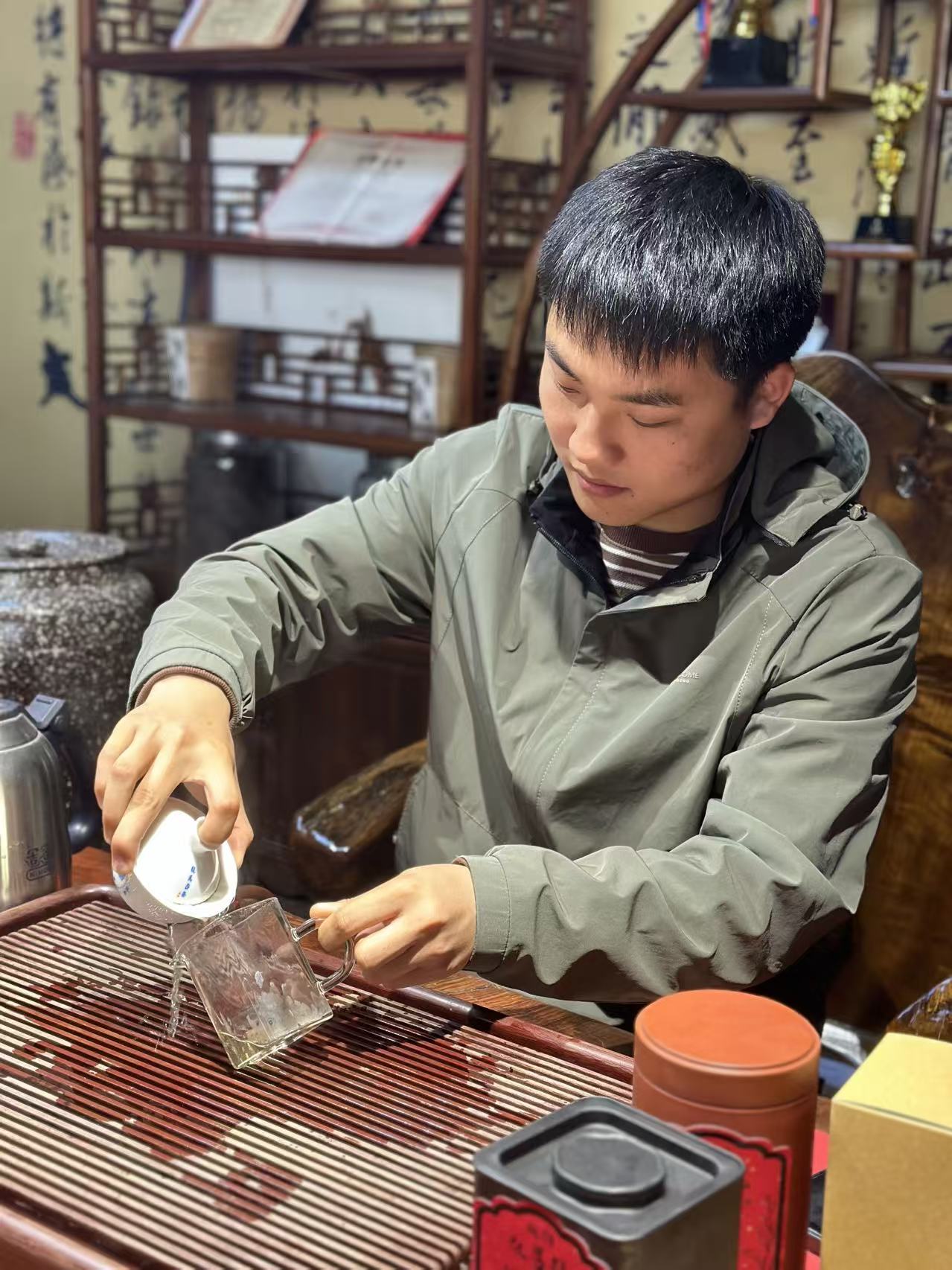
How to Brew Pu-erh Tea: The Small Mistake That Makes It Taste Bitter
Pu-erh tea can taste smooth, deep, earthy, sweet, or bright — but if it is brewed the wrong way, it can also taste bitter, heavy, or flat.
The good news is simple: Pu-erh tea is not hard to brew.
You only need to understand four things:
tea amount, water temperature, steeping time, and the difference between raw Pu-erh and ripe Pu-erh.
Quick Answer: How to Brew Pu-erh Tea
For a simple beginner-friendly method, use:
| Brewing Detail | Recommendation |
|---|---|
| Tea amount | 5g tea per 100ml water |
| Water temperature | 95–100°C / 203–212°F |
| First rinse | 5–10 seconds, then discard |
| First steep | 8–15 seconds |
| Later steeps | Add 5–10 seconds each round |
| Best teaware | Gaiwan, small teapot, or glass teapot |
This is the traditional gongfu-style brewing method, which is ideal for Pu-erh tea because it lets you taste how the flavor changes across many infusions.
Step 1: Choose the Right Amount of Tea
For gongfu brewing, a good starting point is:
5g of Pu-erh tea for every 100ml of water.
If you like a lighter taste, use slightly less tea. If you enjoy a richer and stronger cup, use a little more.
For beginners, it is better to start lighter. Too much tea is one of the most common reasons Pu-erh tastes bitter or too intense.
Step 2: Use Hot Water, But Adjust for the Tea
Pu-erh tea usually needs hot water to open the leaves and release its full flavor.
For most Pu-erh tea:
95–100°C / 203–212°FBut there is one important difference:
- Ripe Pu-erh: use near-boiling water, around 100°C / 212°F
- Aged raw Pu-erh: use 95–100°C / 203–212°F
- Young raw Pu-erh: use slightly cooler water, around 90–95°C / 194–203°F, if it tastes too bitter
Young raw Pu-erh can be more fresh, sharp, and astringent. Slightly cooler water can make it smoother.
Step 3: Rinse the Tea First
Before the first real cup, pour hot water over the tea leaves for about 5–10 seconds, then discard the water.
This is often called a tea rinse.
It helps wake up compressed Pu-erh leaves and prepares them for better flavor in the next infusion.
The rinse is especially useful for:
- Pu-erh tea cakes
- Tuocha
- Brick tea
- Aged Pu-erh
- Ripe Pu-erh
Step 4: Keep the First Steep Short
After rinsing, add hot water again and steep for:
8–15 secondsThen pour out the tea completely.
This part matters. Do not let the tea sit in hot water for too long, especially in a gaiwan or small teapot.
Pu-erh tea releases flavor quickly. If you steep it for several minutes in a small teapot, the taste may become too strong, bitter, or heavy.
Step 5: Increase Time Slowly
Pu-erh tea can usually be brewed many times.
A simple steeping rhythm looks like this:
| Infusion | Time |
|---|---|
| Rinse | 5–10 seconds |
| 1st steep | 8–15 seconds |
| 2nd steep | 10–15 seconds |
| 3rd steep | 15–20 seconds |
| 4th steep | 20–30 seconds |
| Later steeps | Add more time as needed |
Good Pu-erh tea often becomes more interesting after the first few infusions. The early cups may be strong and direct, while later cups can become softer, sweeter, and smoother.
Raw Pu-erh vs. Ripe Pu-erh: Do They Brew Differently?
Yes, a little.
Raw Pu-erh
Raw Pu-erh can taste floral, grassy, fruity, sweet, bitter, or astringent, depending on its age and origin.
For young raw Pu-erh, avoid long steeping. Use slightly cooler water if the tea tastes too sharp.
Best approach:
Short steeps, lighter taste, careful water temperatureRipe Pu-erh
Ripe Pu-erh usually tastes earthy, smooth, dark, mellow, and rich.
It can handle hotter water and slightly longer brewing better than young raw Pu-erh.
Best approach:
Hot water, quick rinse, steady short infusionsCan You Brew Pu-erh Tea in a Mug?
Yes. If you do not have a gaiwan or teapot, you can still enjoy Pu-erh tea in a simple mug.
Use this easy method:
| Brewing Detail | Mug Method |
|---|---|
| Tea amount | 2–3g tea |
| Water | 250–300ml |
| Temperature | 95–100°C / 203–212°F |
| Steeping time | 2–4 minutes |
This method is easier, but the flavor will be less layered than gongfu brewing.
If the tea tastes too strong, use less tea or shorten the steeping time.
Why Does Pu-erh Tea Taste Bitter?
Pu-erh tea usually tastes bitter for one of these reasons:
- Too much tea
- Water is too hot for young raw Pu-erh
- Steeping time is too long
- The tea leaves are not fully separated from the water
- The tea itself is young, strong, or naturally astringent
A little bitterness is normal in some raw Pu-erh teas. But if the bitterness feels harsh and unpleasant, adjust the brewing method first.
Final Brewing Tip
The best way to brew Pu-erh tea is not to chase one perfect rule.
Start with this:
5g tea
100ml water
95–100°C
short steeps
taste and adjust
Then let your own taste guide you.
If the tea is too strong, use less tea or shorter steeps.
If it tastes weak, use more tea or increase the steeping time.
If raw Pu-erh tastes too bitter, lower the water temperature slightly.
Pu-erh tea rewards patience. Brew it slowly, taste each infusion, and you will understand why this tea has been loved for generations.
FAQ Section
How long should I steep Pu-erh tea?
For gongfu brewing, start with 8–15 seconds after the rinse. For mug brewing, steep for about 2–4 minutes.
Should I rinse Pu-erh tea before drinking?
Yes, especially for compressed Pu-erh tea. A quick 5–10 second rinse helps wake up the leaves.
What water temperature is best for Pu-erh tea?
Most Pu-erh tea works well with 95–100°C / 203–212°F water. For young raw Pu-erh, use 90–95°C / 194–203°F if it tastes too bitter.
Can Pu-erh tea be brewed multiple times?
Yes. Pu-erh tea is excellent for multiple infusions. Many good Pu-erh teas can be brewed 6–10 times or more.