What Is Pu-erh Tea? A Journey Into Raw Pu-erh, Ancient Tea Trees, and Yunnan’s Tea-Making Craft
Before Pu-erh tea reaches your cup, it begins somewhere much quieter: in the mountains of Yunnan, where mist moves slowly between old tea trees and fresh leaves are picked with care.
Pu-erh begins with mountain air, old trees, human hands, and time. For many Western tea drinkers, Pu-erh tea can feel mysterious. It may appear as a compressed cake, smell earthy or floral, taste bright or deep, and continue to change after storage.
That is the charm of Pu-erh: it is not just made. It continues to become. This guide explains what Pu-erh tea is, what raw Pu-erh means, how raw Pu-erh is made, and why ancient tree Pu-erh from Yunnan attracts tea lovers around the world.
What Is Pu-erh Tea?
Pu-erh tea is a distinctive Chinese tea traditionally associated with Yunnan Province in southwest China. It is commonly made from Yunnan large-leaf tea material and processed into sun-dried maocha before being pressed, aged, or further fermented.
Unlike many teas that are mainly defined by oxidation, Pu-erh is famous for transformation over time. A young Pu-erh may taste lively, bright, and slightly sharp. An aged Pu-erh can become smoother, rounder, woody, honeyed, or deeply earthy.
There are two main types of Pu-erh tea:
- Raw Pu-erh tea, also called Sheng Pu-erh
- Ripe Pu-erh tea, also called Shou Pu-erh
Raw Pu-erh is the older and more traditional style. It is usually compressed and then allowed to age naturally over months, years, or even decades. Ripe Pu-erh was developed later to create a darker, smoother, and more mellow tea through controlled fermentation.
What Is Raw Pu-erh Tea?
Raw Pu-erh tea, or Sheng Pu-erh, is Pu-erh in its most direct and time-sensitive form. Fresh tea leaves are picked, withered, heated to slow oxidation, rolled, sun-dried, and often compressed into cakes, bricks, or small tuocha shapes.
At a young stage, raw Pu-erh may taste fresh, green, floral, bitter, sweet, astringent, or mineral depending on its origin and craftsmanship. But raw Pu-erh is not meant to stay still.
Over time, when stored properly, raw Pu-erh slowly changes. Its sharper edges may soften. Bitterness may turn into sweetness. Fresh grassy notes may move toward honey, dried fruit, wood, herbs, or camphor-like depth.
This is why many tea collectors love raw Pu-erh. Drinking it is not only about taste. It is about watching a living flavor evolve.
Why Yunnan Matters
To understand Pu-erh, you have to understand Yunnan. Yunnan is one of China’s most important tea-growing regions, with mountains, forests, high-altitude villages, humid valleys, and old tea trees.
Many Pu-erh teas are made from large-leaf tea trees associated with Camellia sinensis var. assamica. Compared with smaller-leaf tea varieties used for many other Chinese teas, these large-leaf trees can produce leaves with strong structure, rich bitterness, deep fragrance, and aging potential.
This is especially important for raw Pu-erh. A good raw Pu-erh needs strength. It should have enough body and inner flavor to endure processing, compression, storage, and repeated brewing.
With Pu-erh, origin is not decoration. Origin is flavor.
What Is Ancient Tree Pu-erh Tea?
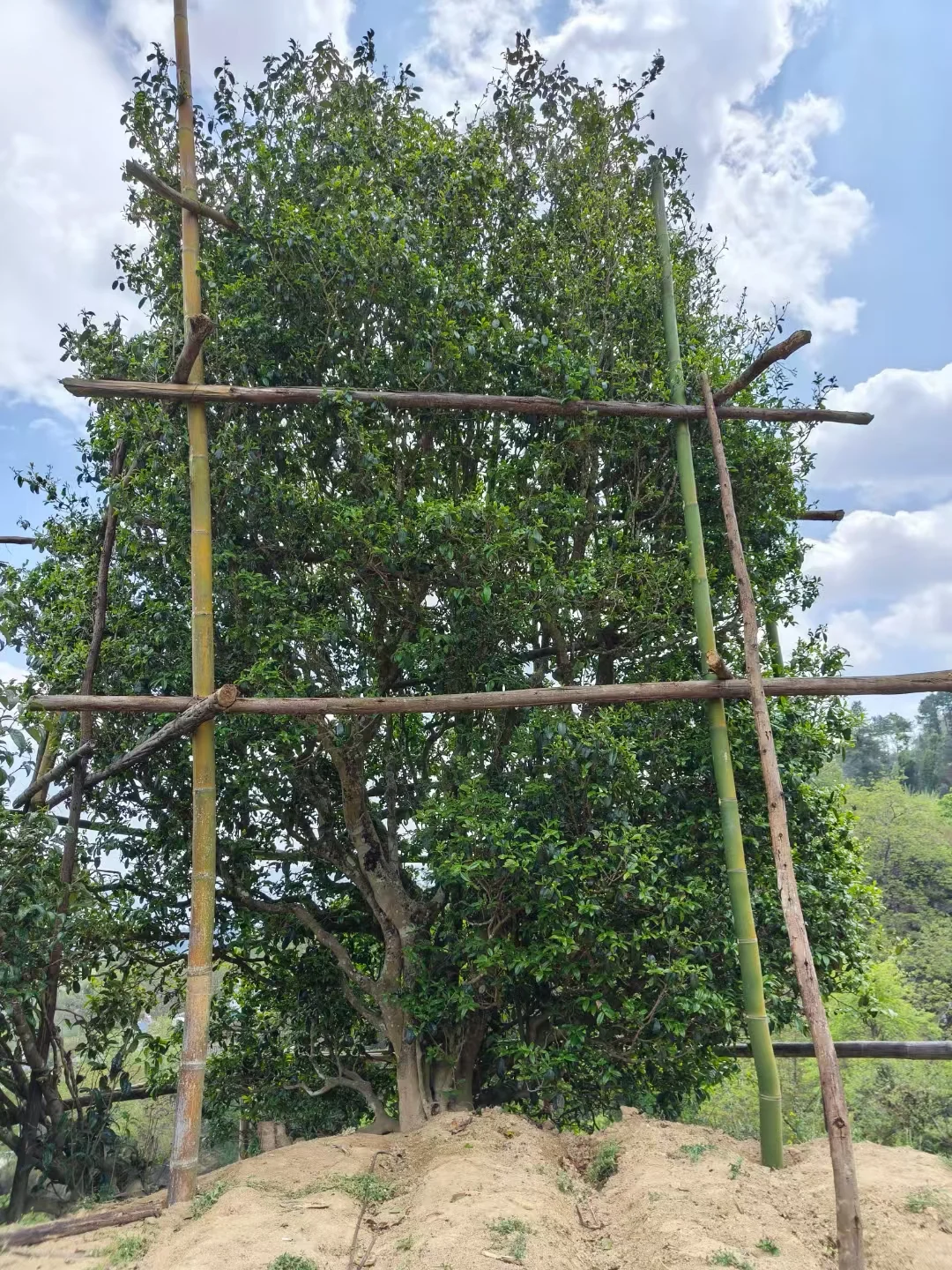
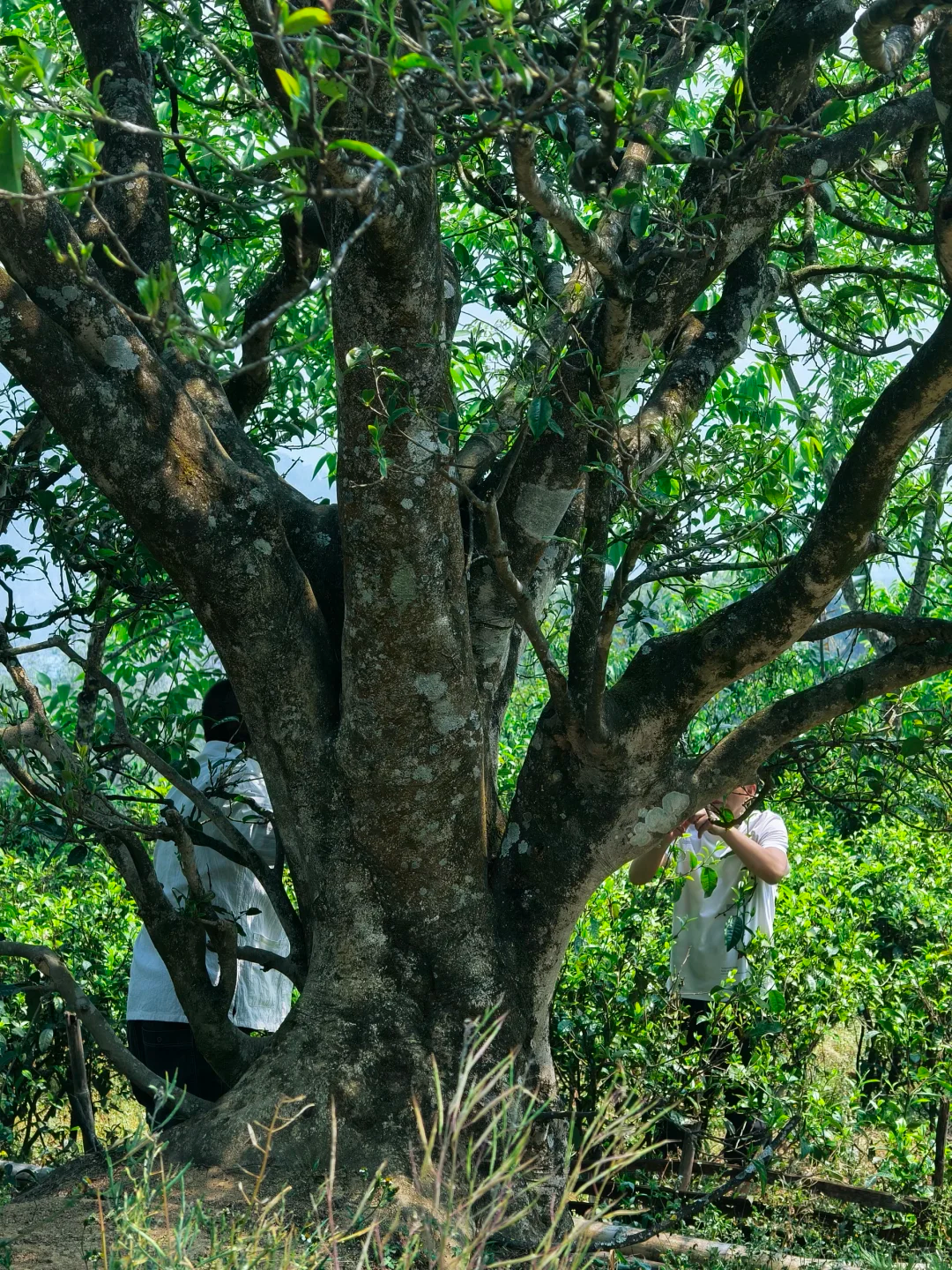
Ancient tree Pu-erh usually refers to Pu-erh made from older tea trees growing in traditional tea mountains or forest-like tea gardens in Yunnan.
These trees are valued because their roots may reach deeper into the soil, their environments are often less intensive than modern plantations, and their leaves can produce a more layered drinking experience.
To a beginner, ancient tree Pu-erh may not always taste “stronger” in an obvious way. Its beauty can be subtle.
- A deeper sweetness after bitterness fades
- A longer aftertaste in the throat
- A thicker texture in the tea soup
- A fragrance that seems to rise after swallowing
- A feeling that the tea changes over multiple infusions
This is why ancient tree Pu-erh is often appreciated slowly. The first cup introduces itself. The third cup begins to speak. The seventh cup may tell you where it came from.
How Raw Pu-erh Tea Is Made
Raw Pu-erh looks simple from the outside, but every step matters. A small change in heat, moisture, timing, or drying method can influence how the tea tastes now and how it will age later.
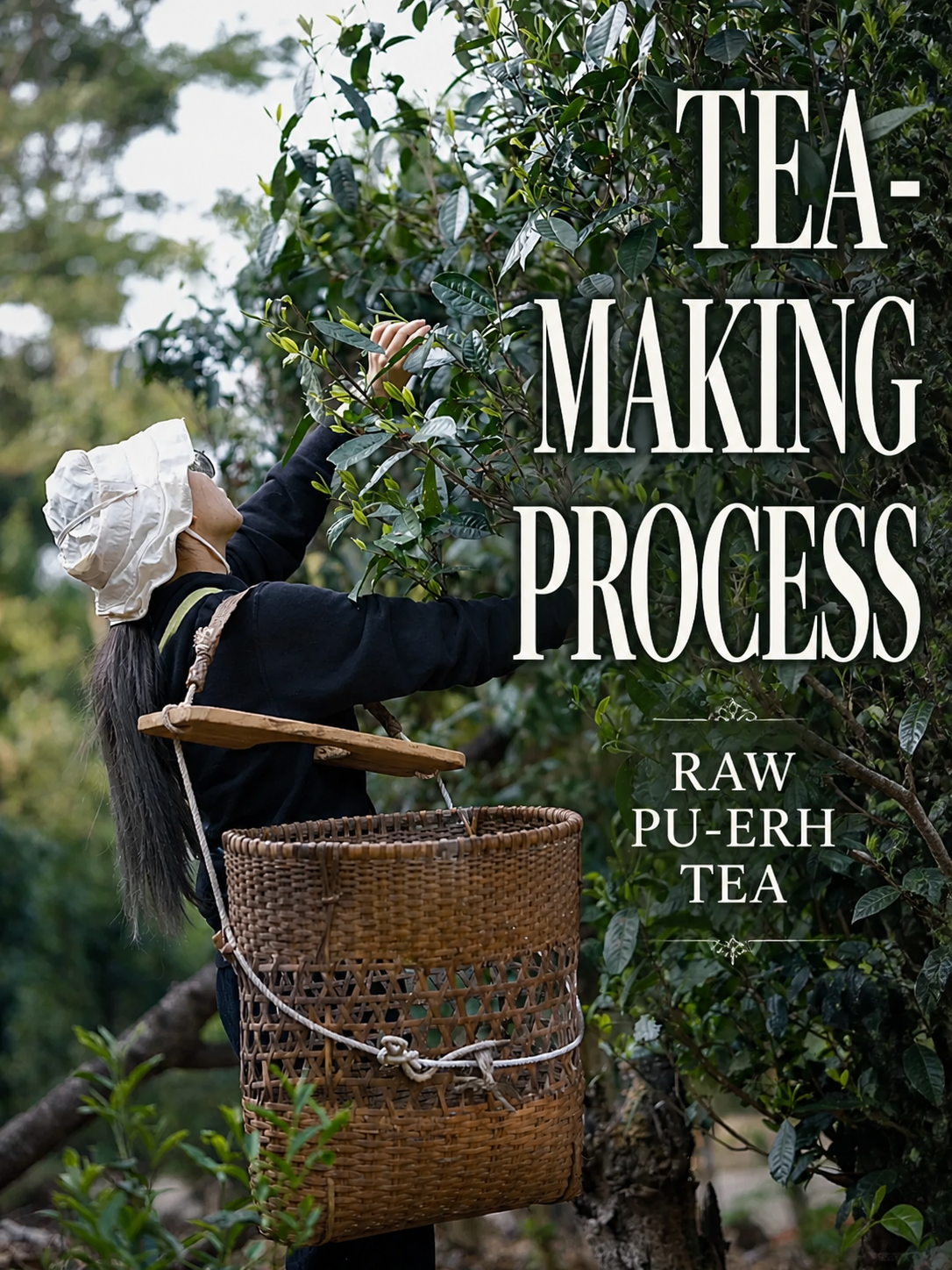
1. Picking: The First Choice
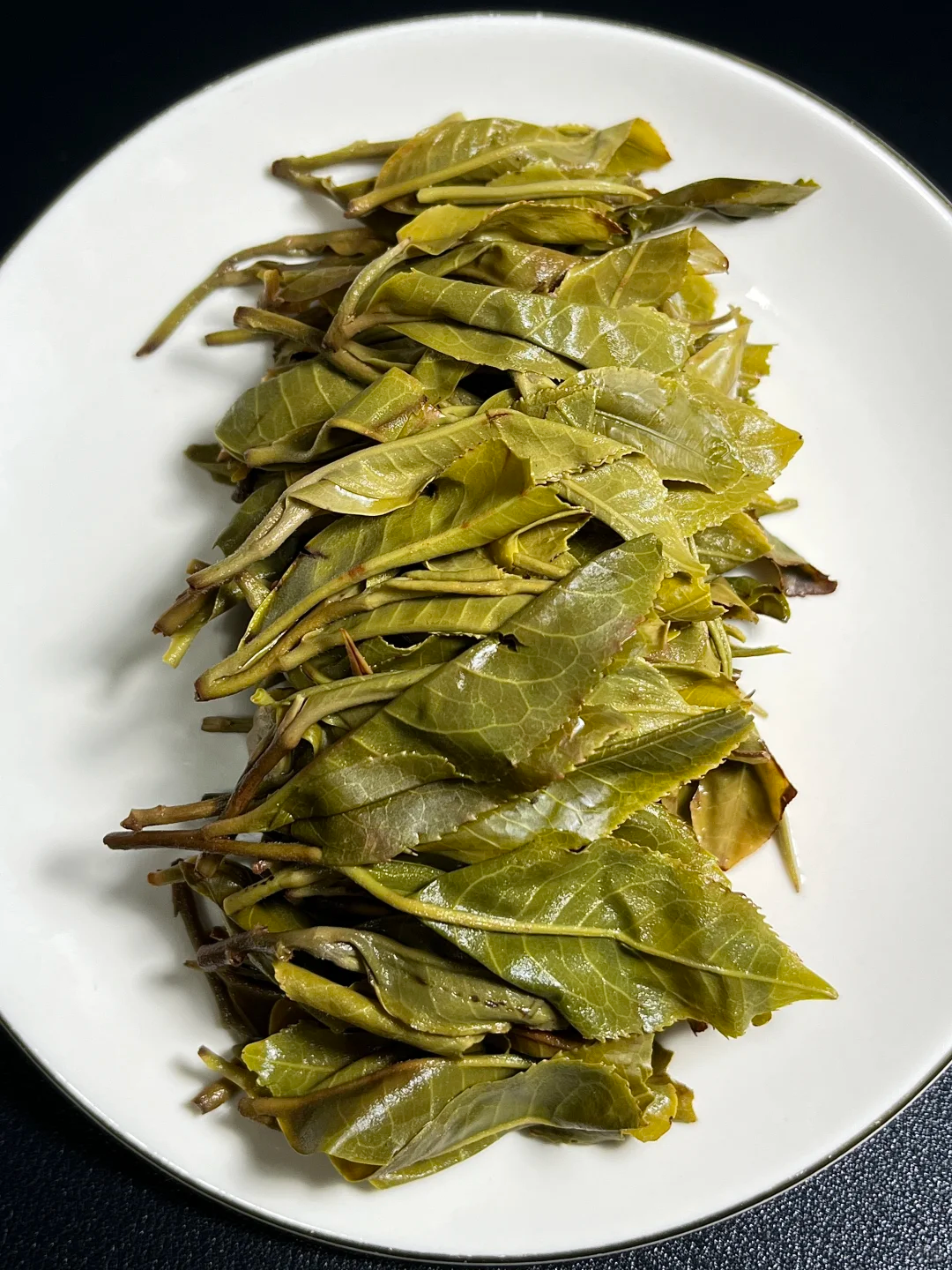
Everything begins with picking. Tea makers usually harvest tender leaves during suitable seasons, often focusing on young buds and leaves. In many traditional Pu-erh regions, spring tea is especially valued because the leaves often show richer fragrance and fuller texture.
Picking is not only labor. It is selection. Too tender, and the tea may lack depth. Too coarse, and the tea may taste rough. Picked at the wrong moment, and the mountain’s best expression may be missed.
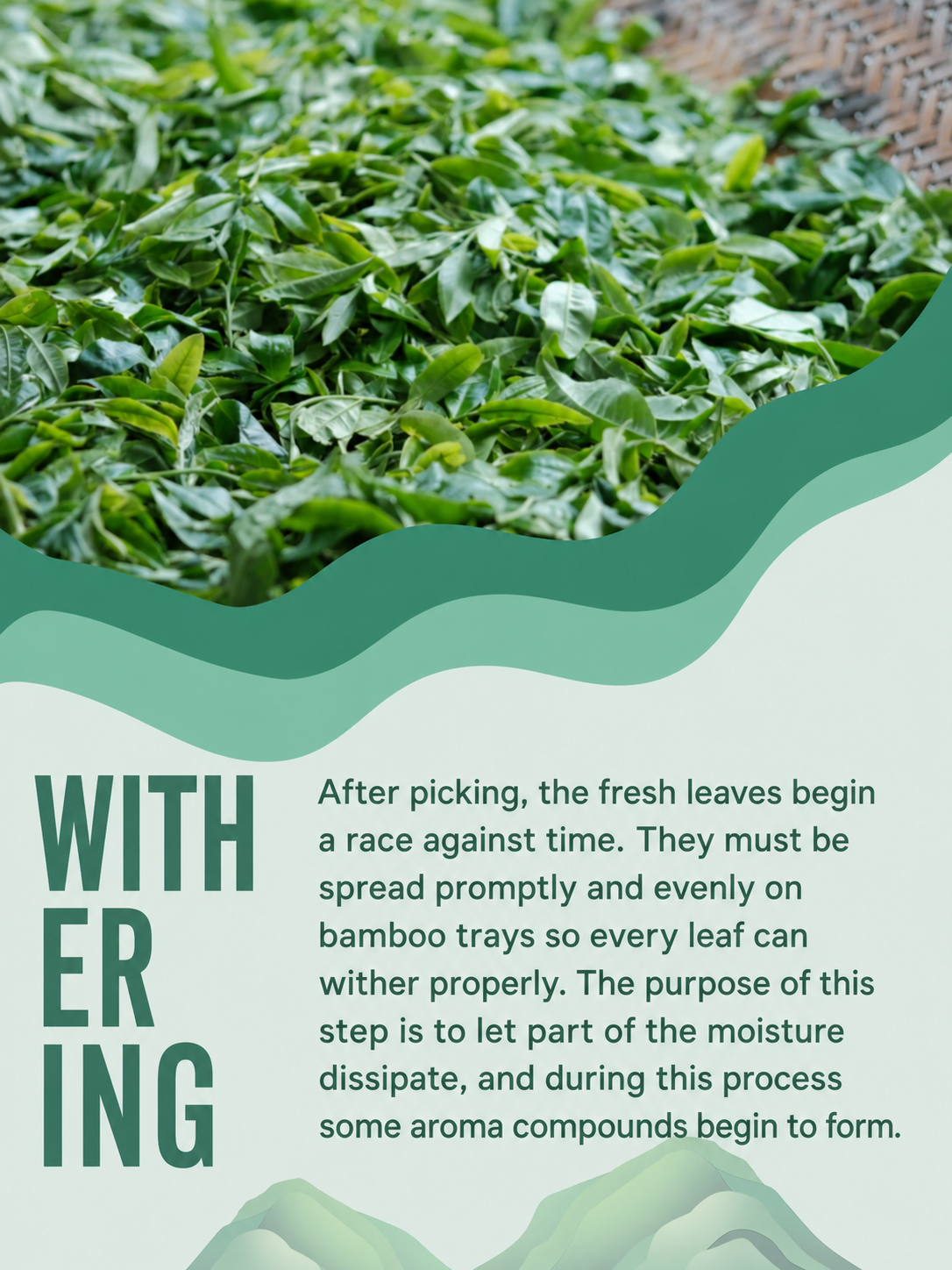
2. Withering: Letting the Leaves Breathe
After picking, the fresh leaves are spread out to rest. This step is called withering. The leaves lose some moisture, become softer, and begin to open their aroma.
If the leaves lose moisture too quickly, they may become thin and harsh. If they remain too wet, later processing becomes difficult. When timing is right, the tea begins to gain fragrance and balance.
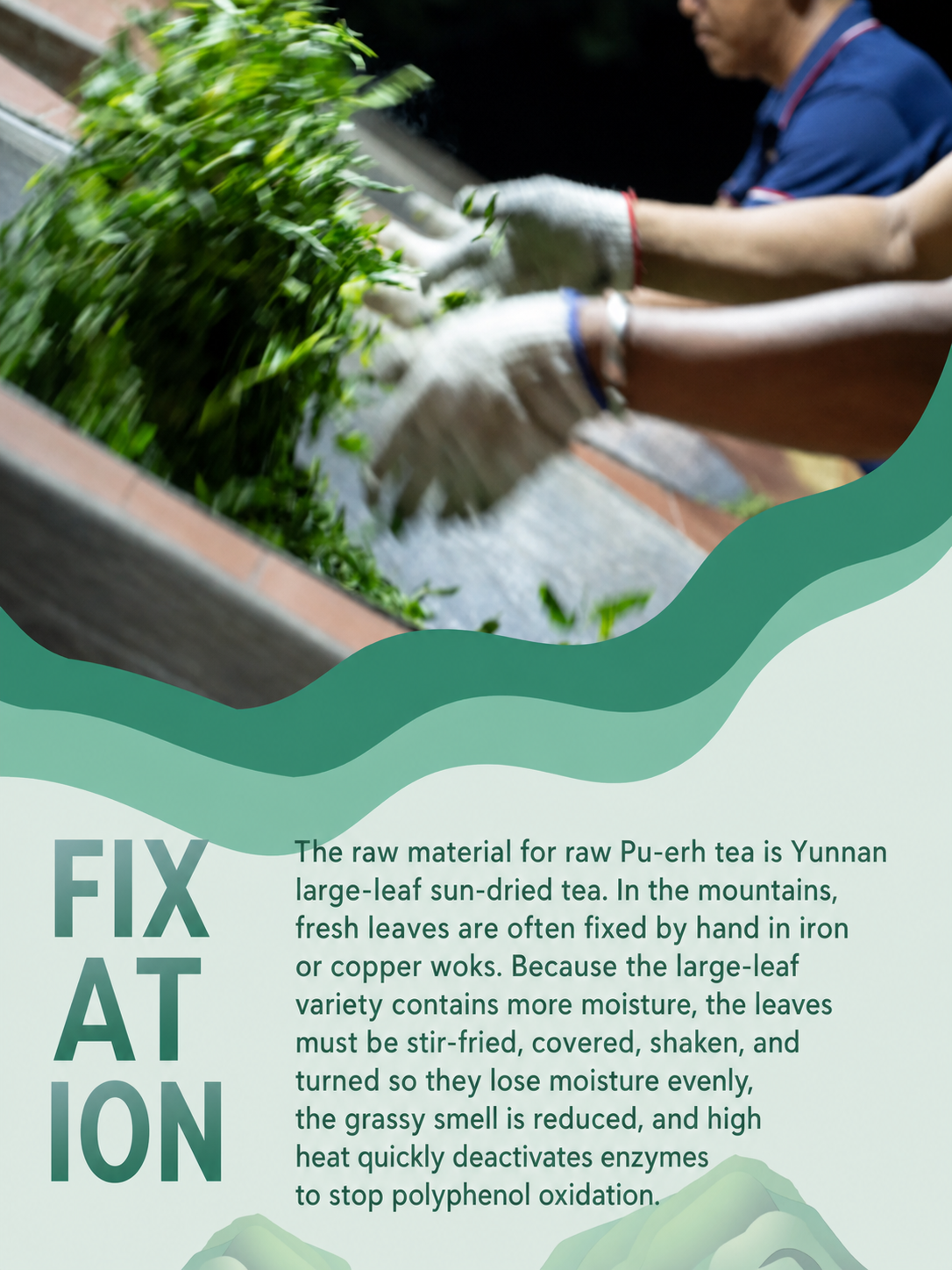
3. Kill-Green: Stopping the Green Rush
The next step is kill-green, or shaqing. Fresh tea leaves contain enzymes that naturally drive oxidation. In raw Pu-erh production, heat is applied to slow this activity and stabilize the leaves.
This step requires skill. If the heat is too strong, the tea may lose too much of its future aging potential. If the heat is too weak, the leaves may become overly oxidized or develop unpleasant notes.
4. Rolling: Giving Shape to Flavor
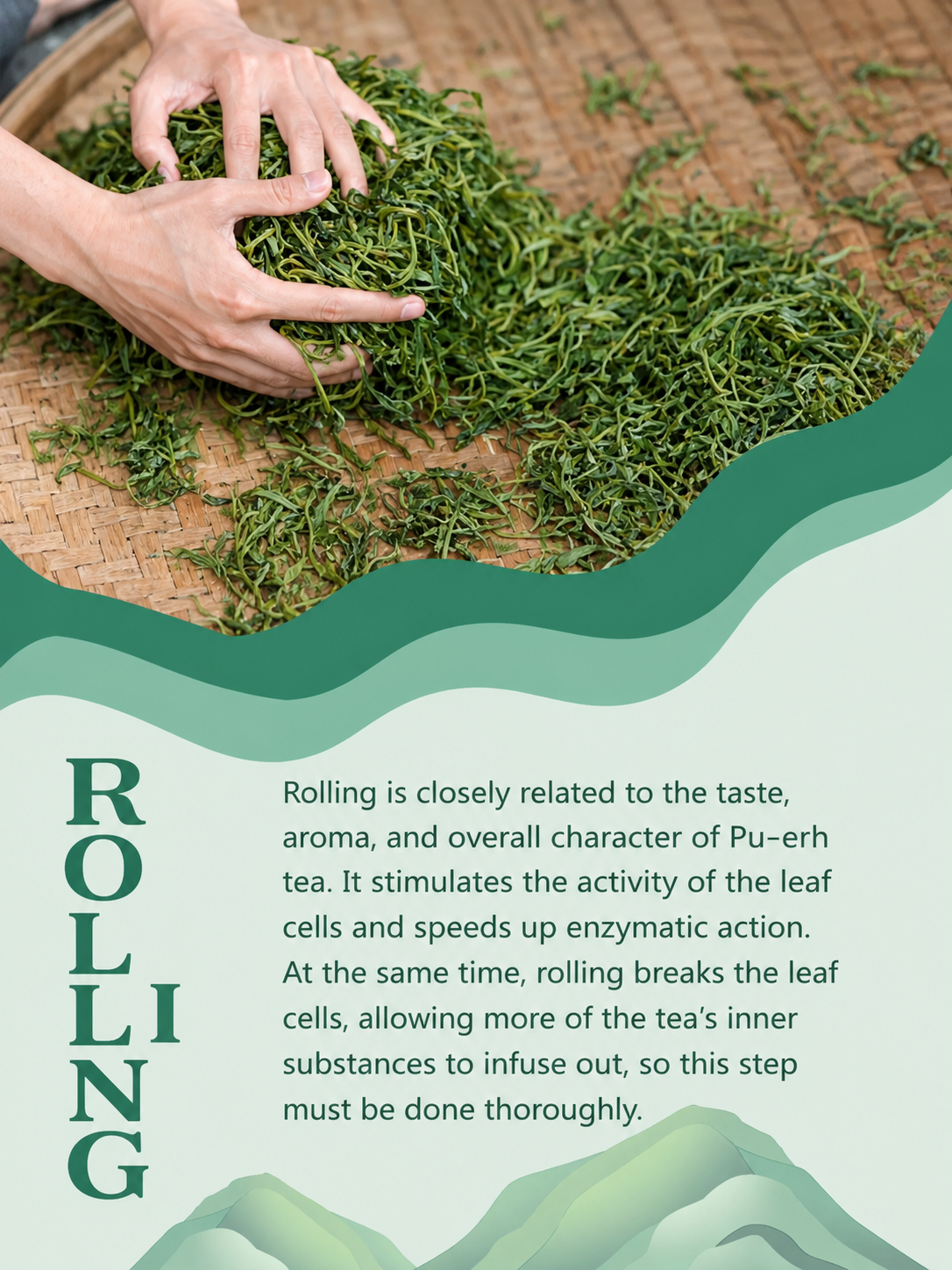
After kill-green, the leaves are rolled. Rolling breaks some leaf cells and helps release internal juices. This allows the tea’s compounds to interact more fully during drying, brewing, and aging.
Rolling affects how the tea brews. A lightly rolled tea may taste softer. A heavily rolled tea may release flavor more quickly. When done well, rolling gives raw Pu-erh structure and expression.
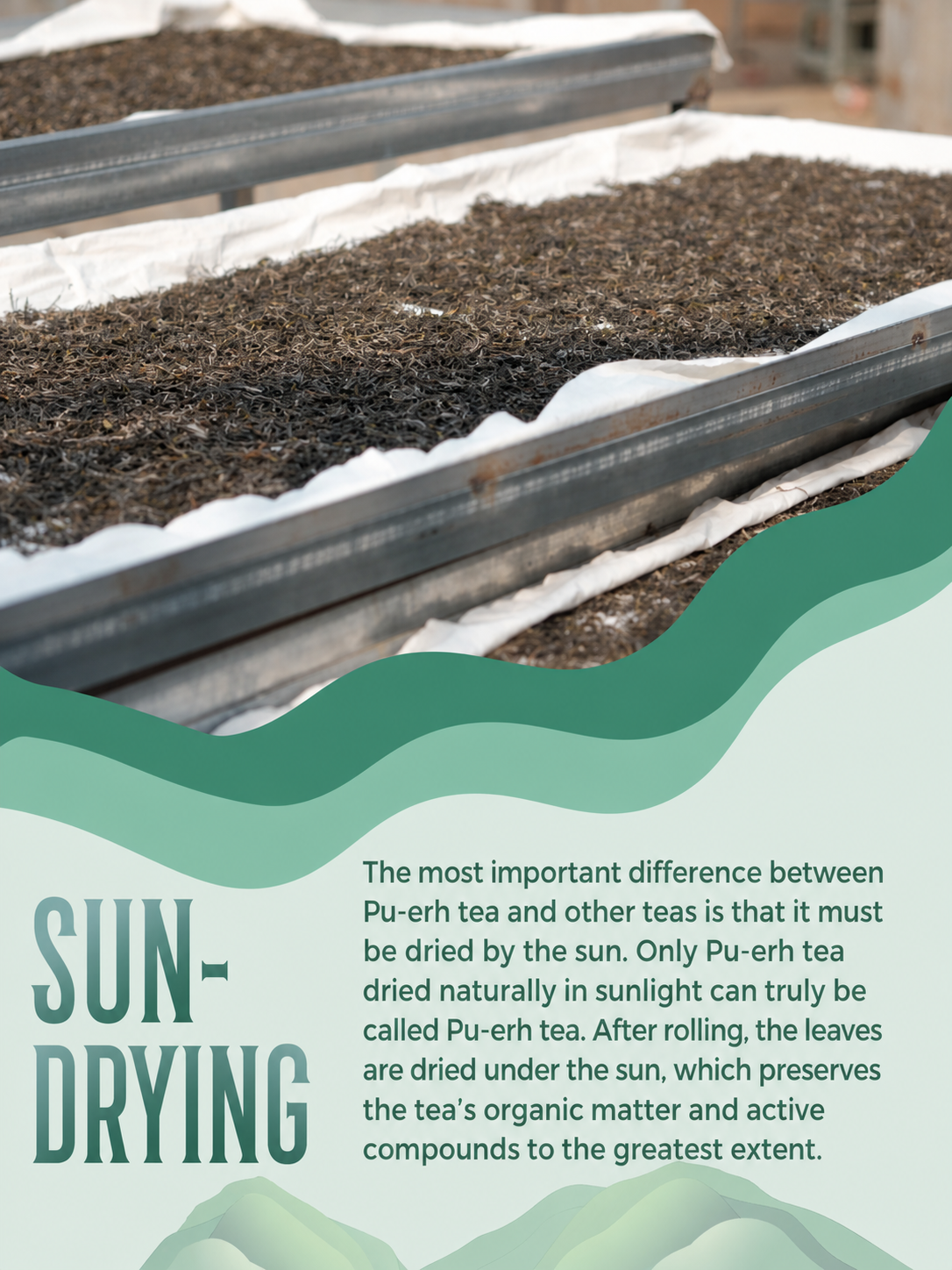
5. Sun-Drying: Where Pu-erh Finds Its Soul
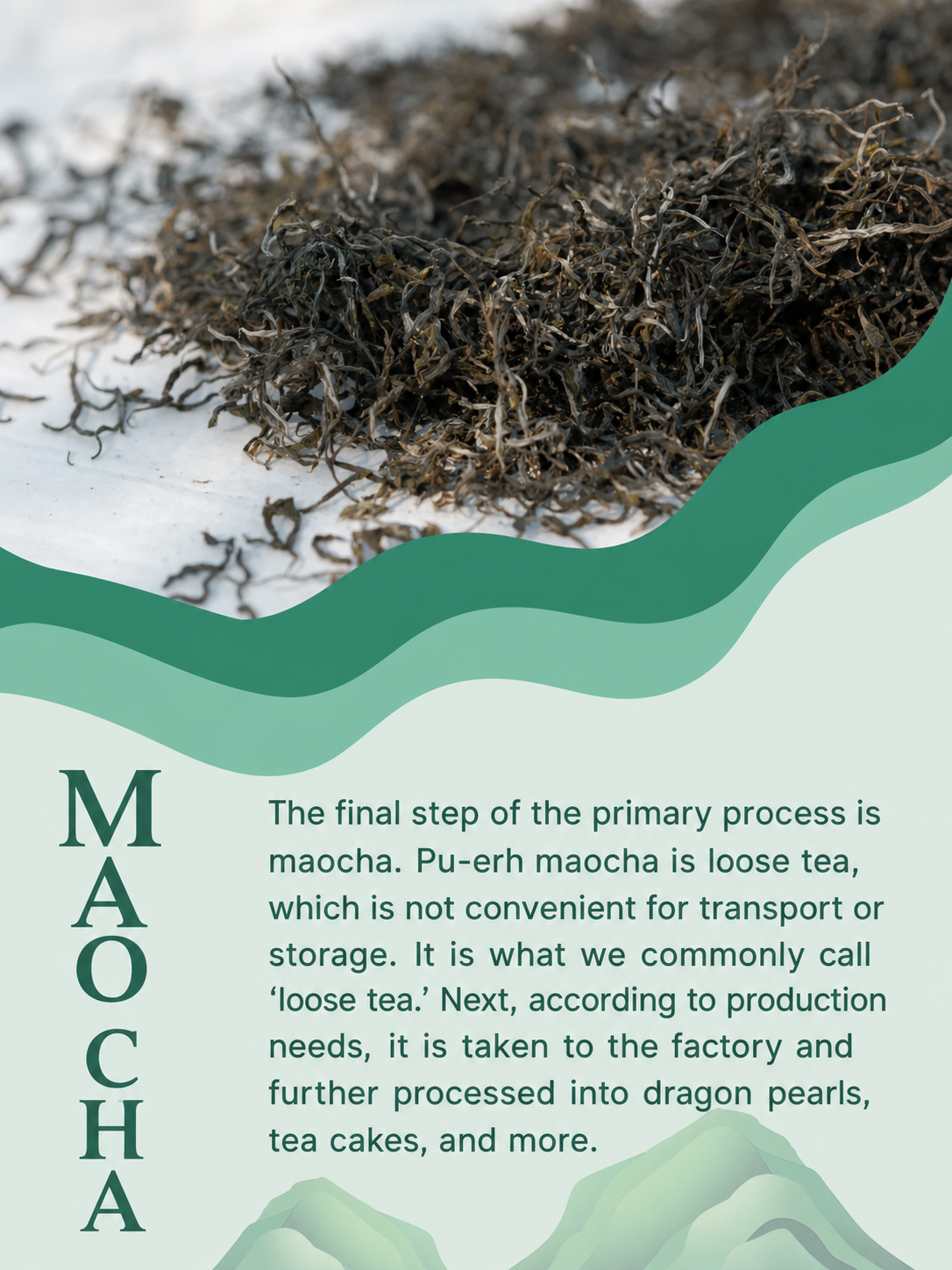
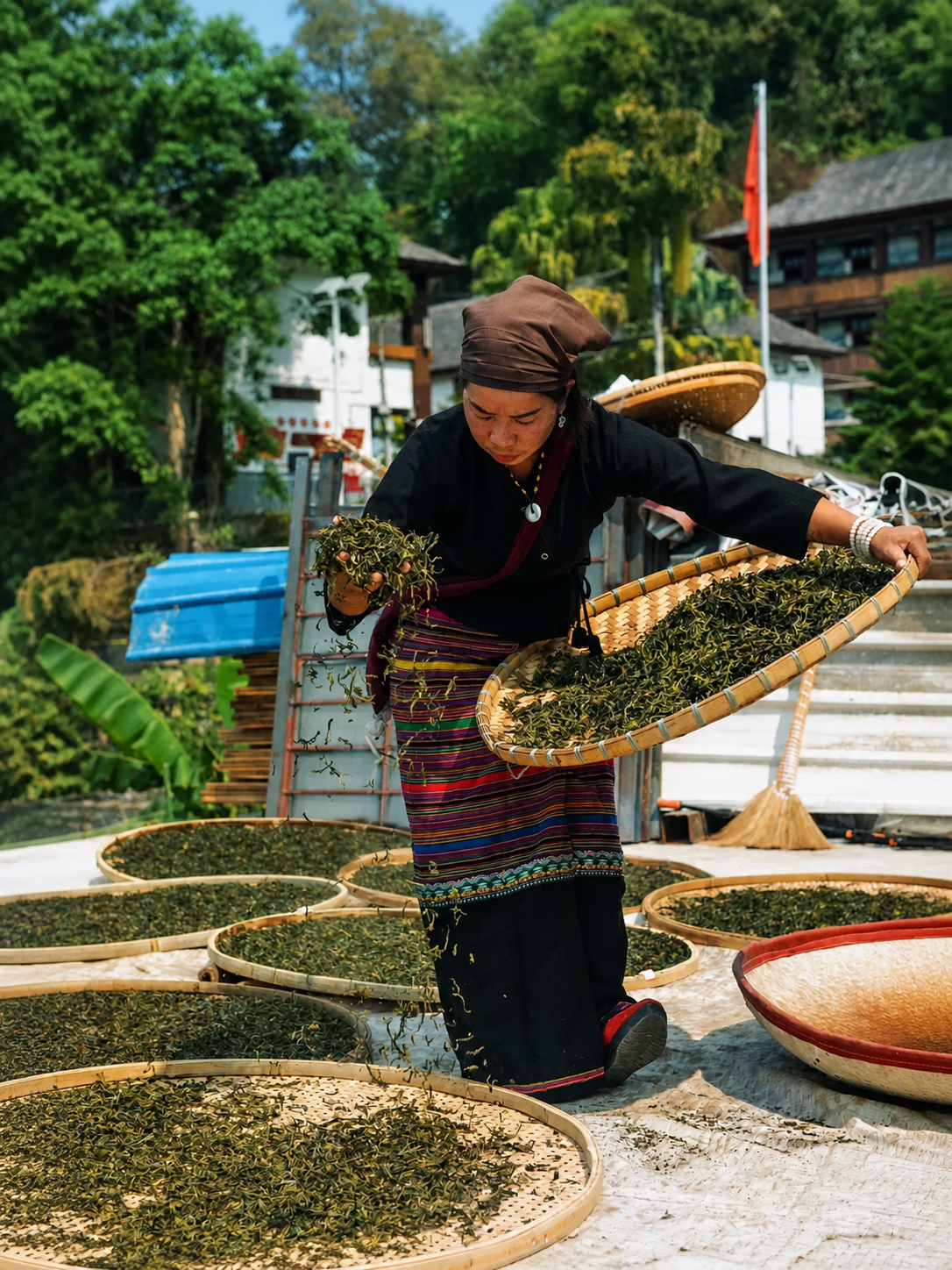
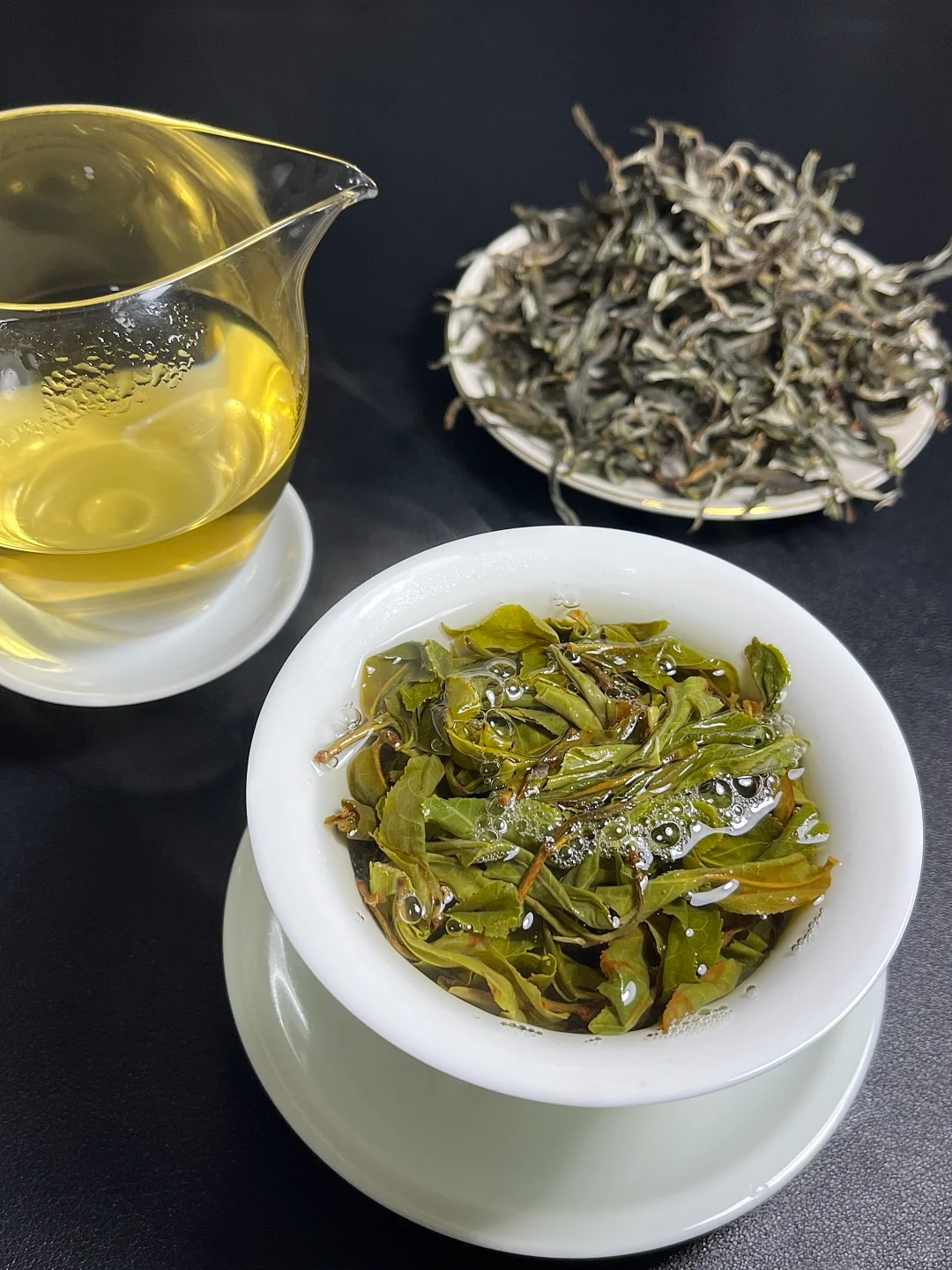
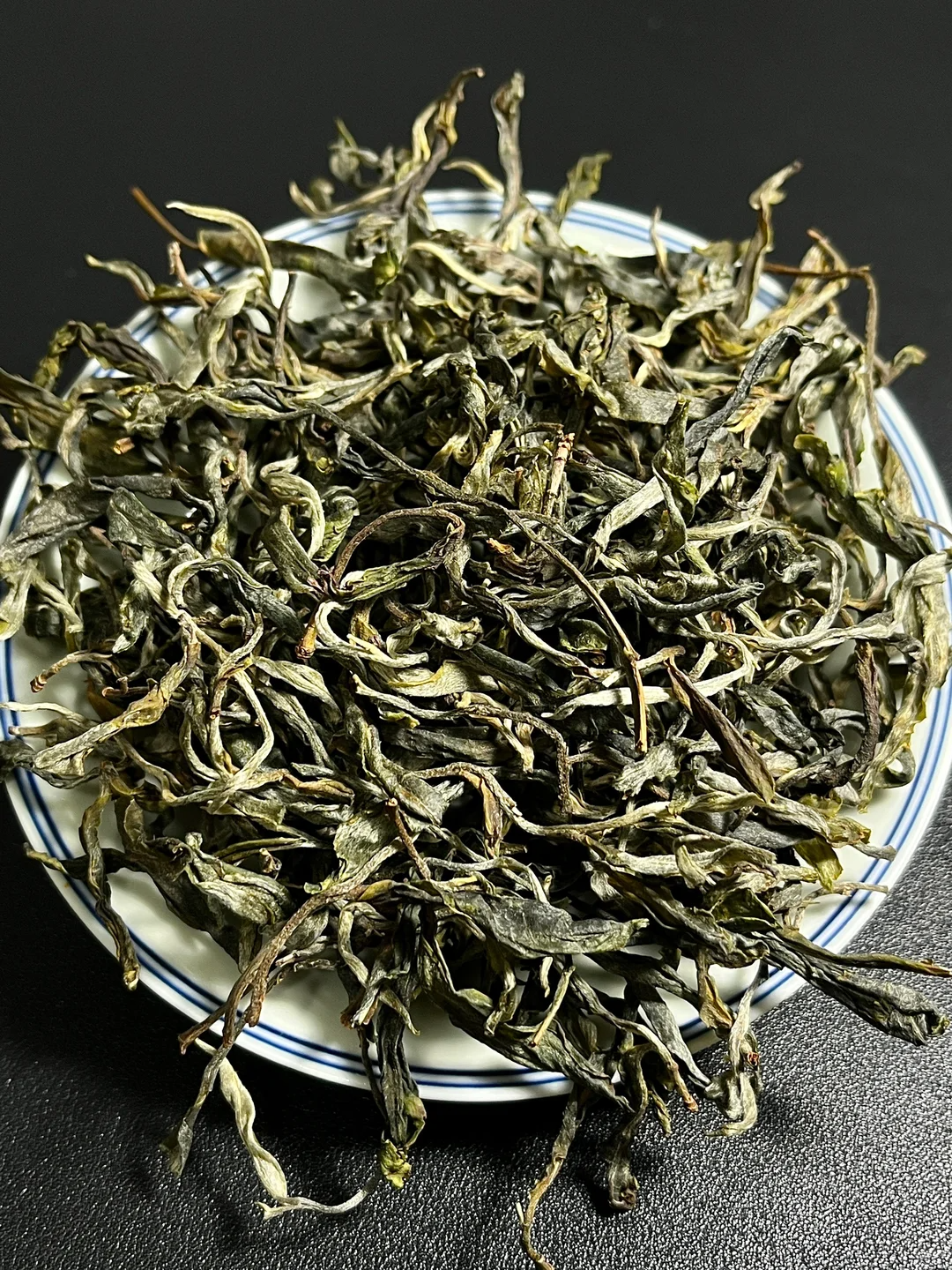
Sun-drying is one of the defining steps in Pu-erh tea. After rolling, the leaves are spread under the sun to dry naturally. This creates sun-dried maocha, the unfinished raw material used for Pu-erh tea.
Sun-drying is not only about removing moisture. It helps preserve the character that allows raw Pu-erh to continue changing over time. The tea is not made in isolation. It is made with weather.
6. Sorting: Choosing What Goes Into the Cake
After drying, maocha is sorted. Tea makers may remove yellow leaves, stems, broken pieces, or unwanted material. They may also grade the leaves by size, tenderness, or quality.
A good Pu-erh cake is not always made from the prettiest leaves. It is made from the right balance.
7. Steaming and Pressing: Turning Loose Tea Into a Cake
To make compressed Pu-erh, dry maocha is gently steamed to soften the leaves. The tea is then placed into a cloth bag, shaped, and pressed into cakes, bricks, or other forms.
Compression was historically practical because it made tea easier to transport, store, and trade. But compression also influences aging. A tightly pressed cake may age more slowly, while a looser cake may transform faster.
8. Drying After Pressing
After pressing, the tea must be dried again. This final drying removes moisture introduced during steaming. If the cake stays too wet, it can develop unwanted flavors or storage problems.
At this point, raw Pu-erh is ready to drink, store, sell, or age. The tea has been made. Now time begins its own work.
9. Aging: The Slow Conversation Between Tea, Air, and Time
Raw Pu-erh can be enjoyed young, but many people store it for aging. During storage, the tea slowly transforms through a combination of remaining enzymatic activity, microbial influence, oxidation, humidity, airflow, and time.
Young raw Pu-erh may taste bright, bitter, grassy, floral, or sharp. Middle-aged raw Pu-erh may become smoother and sweeter. Aged raw Pu-erh may develop deeper notes of wood, herbs, dried fruit, honey, camphor, or old books.
Raw Pu-erh vs Ripe Pu-erh: The Simple Difference
If you are new to Pu-erh, the difference between raw and ripe can be confusing. Raw Pu-erh is made from sun-dried maocha and then aged naturally. Ripe Pu-erh starts from similar maocha but goes through wet-piling fermentation.
Raw Pu-erh is like a green mountain path that slowly turns into an old forest road. Ripe Pu-erh is like entering a warm cellar filled with wood, earth, and dark sweetness.
What Does Raw Pu-erh Taste Like?
Raw Pu-erh can surprise Western tea drinkers because it does not fit neatly into common tea categories. It is not quite green tea, not black tea, and not oolong. It is something else.
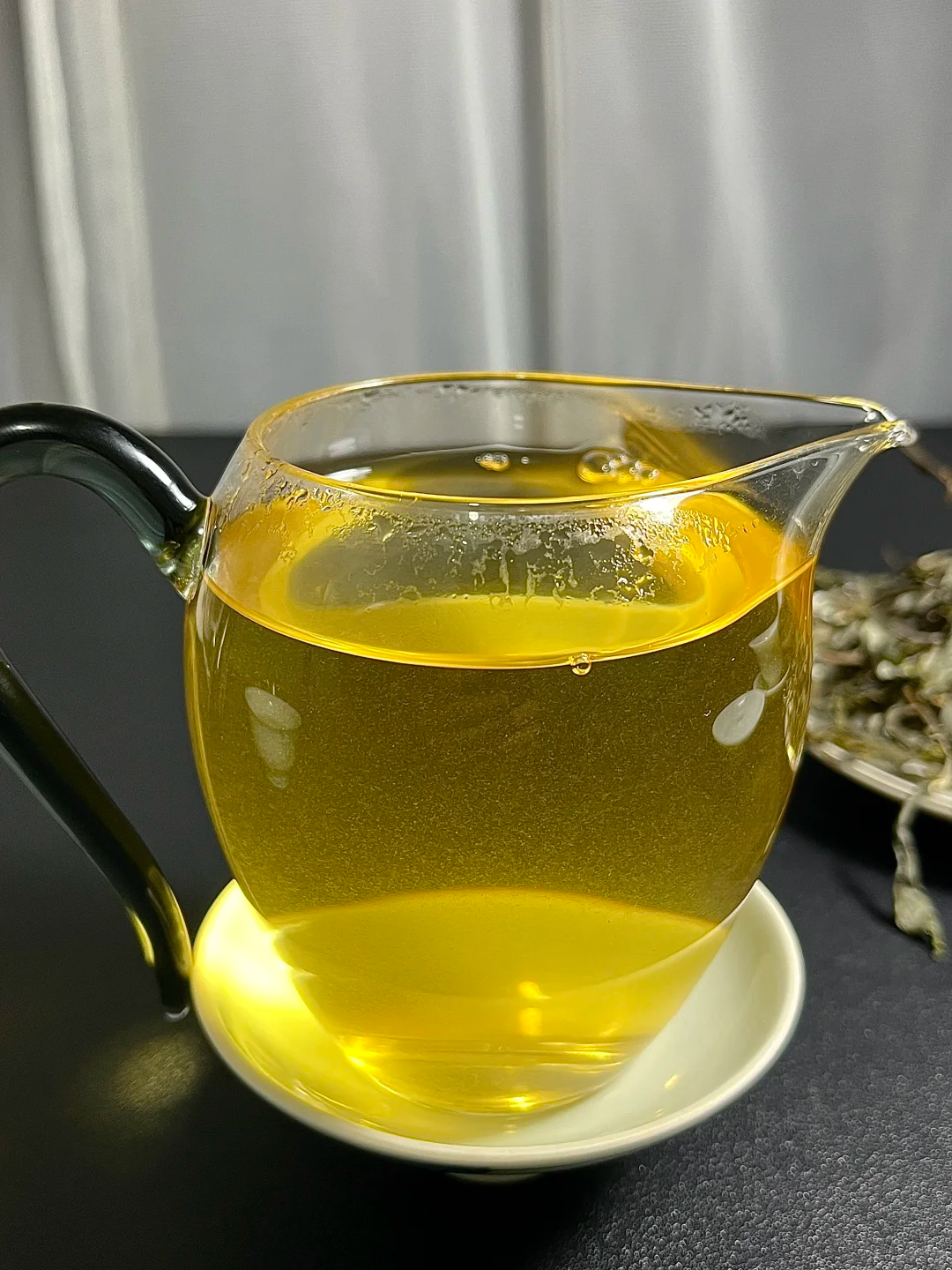
One of the most fascinating qualities of raw Pu-erh is the aftertaste. A good tea may begin with bitterness, then slowly turn sweet in the mouth and throat.
How to Brew Raw Pu-erh Tea
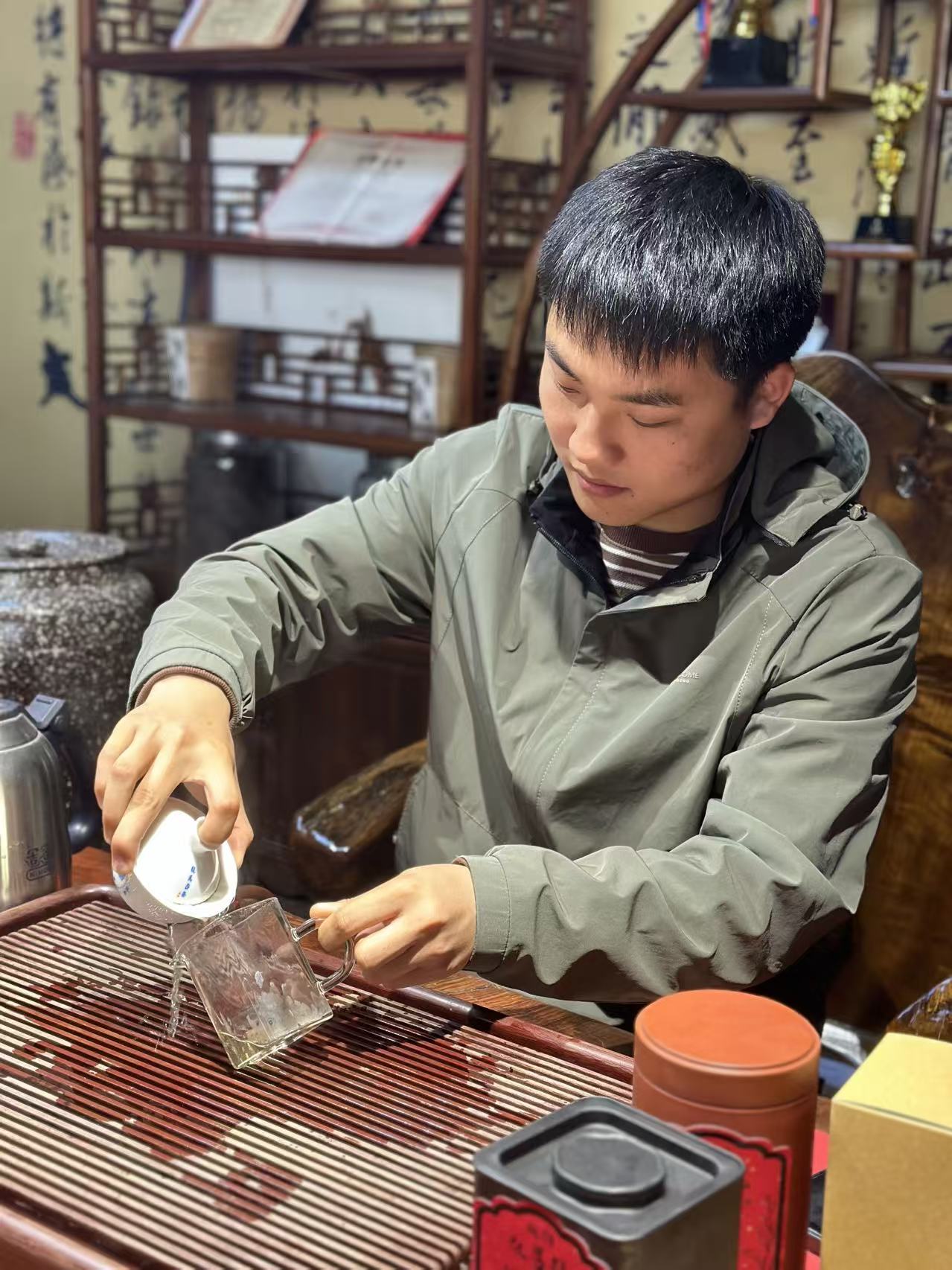
Raw Pu-erh is best brewed with patience and curiosity. For beginners, use a gaiwan or small teapot if possible. Break a small piece from the tea cake, rinse it quickly with hot water, and then brew with short infusions.
Young raw Pu-erh may become bitter if steeped too long. That bitterness is not always a flaw, but beginners may prefer shorter brews.
Why Pu-erh Tea Feels Different From Other Teas
Pu-erh tea is not only about flavor. It creates a different kind of relationship with the drinker. Most teas are purchased, opened, brewed, and finished. Pu-erh can become part of your life.
You may buy a cake today and taste it every year. You may notice it soften, deepen, and grow more elegant. You may share it years later and realize the tea has changed, and perhaps you have too.
This is why Pu-erh has a quiet emotional power. It rewards attention, patience, and returning.
Is Ancient Tree Raw Pu-erh Worth Trying?
If you are curious about Chinese tea, ancient tree raw Pu-erh is one of the most memorable places to begin. It may not be the easiest tea. It can be bold, bitter, subtle, and sometimes slow to reveal itself.
But that is exactly why it is beautiful. Ancient tree Pu-erh is not designed to taste like a flavored drink. It carries mountain soil, leaf strength, human craft, and the slow patience of time.
Final Thoughts: Pu-erh Is a Tea You Travel With
Pu-erh is a tea from Yunnan, made from large-leaf material and shaped by picking, withering, kill-green, rolling, sun-drying, pressing, drying, and aging. It can be raw or ripe, young or old, bright or deep.
But more than that, Pu-erh is a tea with a journey. It begins as a leaf in mountain mist. It passes through human hands and sunlight. It is pressed into a cake, wrapped, stored, and waited for. Then one day, it meets hot water.
And in that moment, the mountain opens again.
FAQ
Is Pu-erh tea the same as black tea?
No. In Western tea language, black tea usually means fully oxidized tea. Pu-erh tea is usually classified as a post-fermented or fermented tea because it can undergo microbial transformation after initial processing.
What is the difference between raw Pu-erh and ripe Pu-erh?
Raw Pu-erh ages naturally over time, while ripe Pu-erh goes through controlled wet-piling fermentation to create a darker, smoother, earthier profile more quickly.
Can raw Pu-erh tea be aged?
Yes. Raw Pu-erh is well known for its aging potential when stored properly. Its flavor may become smoother, sweeter, deeper, and more complex over time.
What does young raw Pu-erh taste like?
Young raw Pu-erh often tastes fresh, floral, grassy, bitter, mineral, and sometimes slightly smoky. Many good raw Pu-erh teas also develop a sweet aftertaste.
What is maocha?
Maocha is the loose, sun-dried tea material made before Pu-erh is compressed into cakes or further processed. It is the foundation of both raw and ripe Pu-erh.
Is ancient tree Pu-erh better?
Ancient tree Pu-erh is often valued for depth, texture, aftertaste, and aging potential. However, quality still depends on origin, season, processing, storage, and honest sourcing.