Chinese Tea Culture: A Beginner’s Journey Into History, Ritual, and the Art of Slowing Down
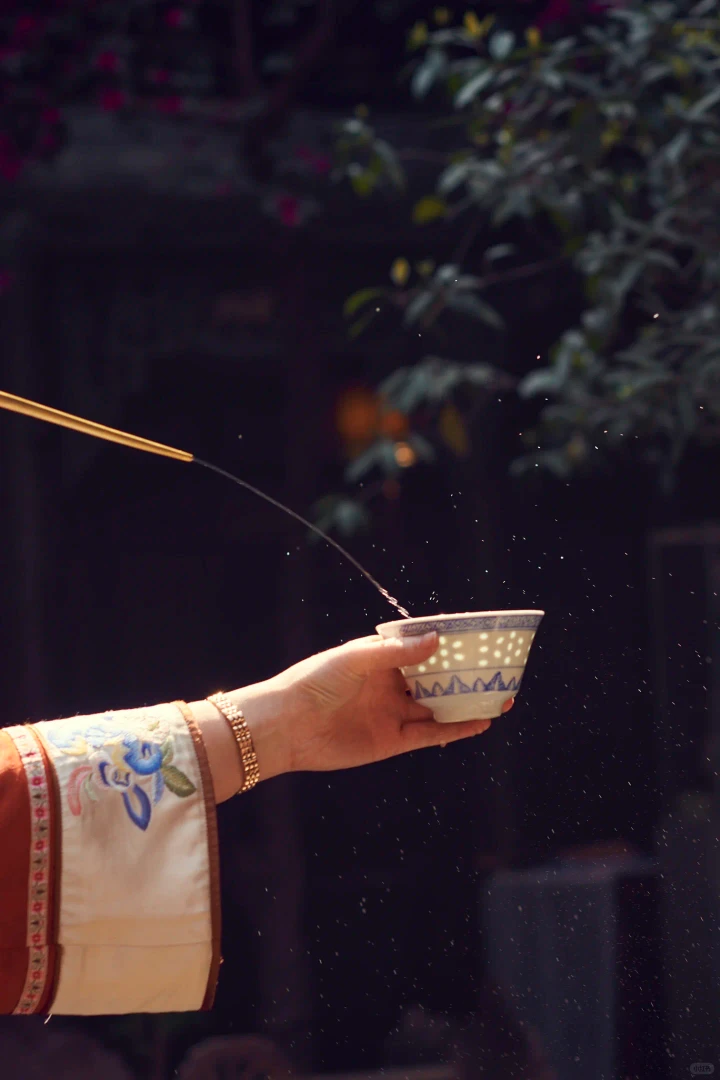
There is a quiet moment in Chinese tea culture that happens before the first sip. Hot water touches the leaves, steam rises, fragrance opens, and the drinker pauses—not rushing to drink, but simply noticing the tea.
For many Western tea drinkers, tea is often a drink for breakfast, work, or comfort. But in China, tea can also be a greeting, a gesture of respect, a conversation, and a way to return to yourself.
Chinese tea culture is not only about how tea tastes. It is about how tea changes time. Once you understand that, a cup of Chinese tea becomes much more than hot water and leaves.
What Is Chinese Tea Culture?
Chinese tea culture includes the traditions, habits, crafts, rituals, and social meanings that surround tea in China. It includes how tea is grown, picked, processed, brewed, served, shared, appreciated, and remembered.
It also includes the stories people tell about tea, the poems written beside tea, the teaware used to prepare it, and the quiet etiquette of offering tea to another person.
Chinese tea culture is not only something found in museums, books, or formal tea rooms. It lives in daily life: a family serving tea to guests, a friend pouring the first cup, or someone drinking tea quietly in the morning sun.
A Drink That Began as a Story
Every great culture begins with stories, and tea has one of the most famous legends in China. According to tradition, tea is often linked to Shennong, the mythical Divine Farmer, who discovered tea when leaves fell into boiling water.
Whether or not the story is historically exact, it shows something important: tea was imagined from the beginning as a gift from nature, discovered through curiosity.
This feeling still remains. When Chinese people talk about tea, they often talk about mountains, water, seasons, leaves, and human skill. Tea is not seen as an isolated product. It belongs to a living world.
Lu Yu and The Classic of Tea
If Chinese tea culture had a founding text, it would be The Classic of Tea, written by Lu Yu during the Tang dynasty. Lu Yu is often called the “Sage of Tea.”
His work treated tea not as a simple drink, but as a complete world. The plant mattered. The water mattered. The tools mattered. The person brewing the tea mattered. Even the mood of drinking mattered.
This is one reason Chinese tea culture feels so different from casual tea drinking. It asks you to notice—not only the taste, but the leaf, the cup, the steam, the water, and the silence between conversations.
Tea and Chinese Daily Life
In China, tea is woven into daily life in ways that are both simple and meaningful. When guests visit, tea is often offered first. When people discuss business, tea may be placed on the table. When families gather, tea can become part of the conversation.
Offering tea can mean welcome. It can mean please sit down. It can mean I respect you. It can mean let us talk slowly.
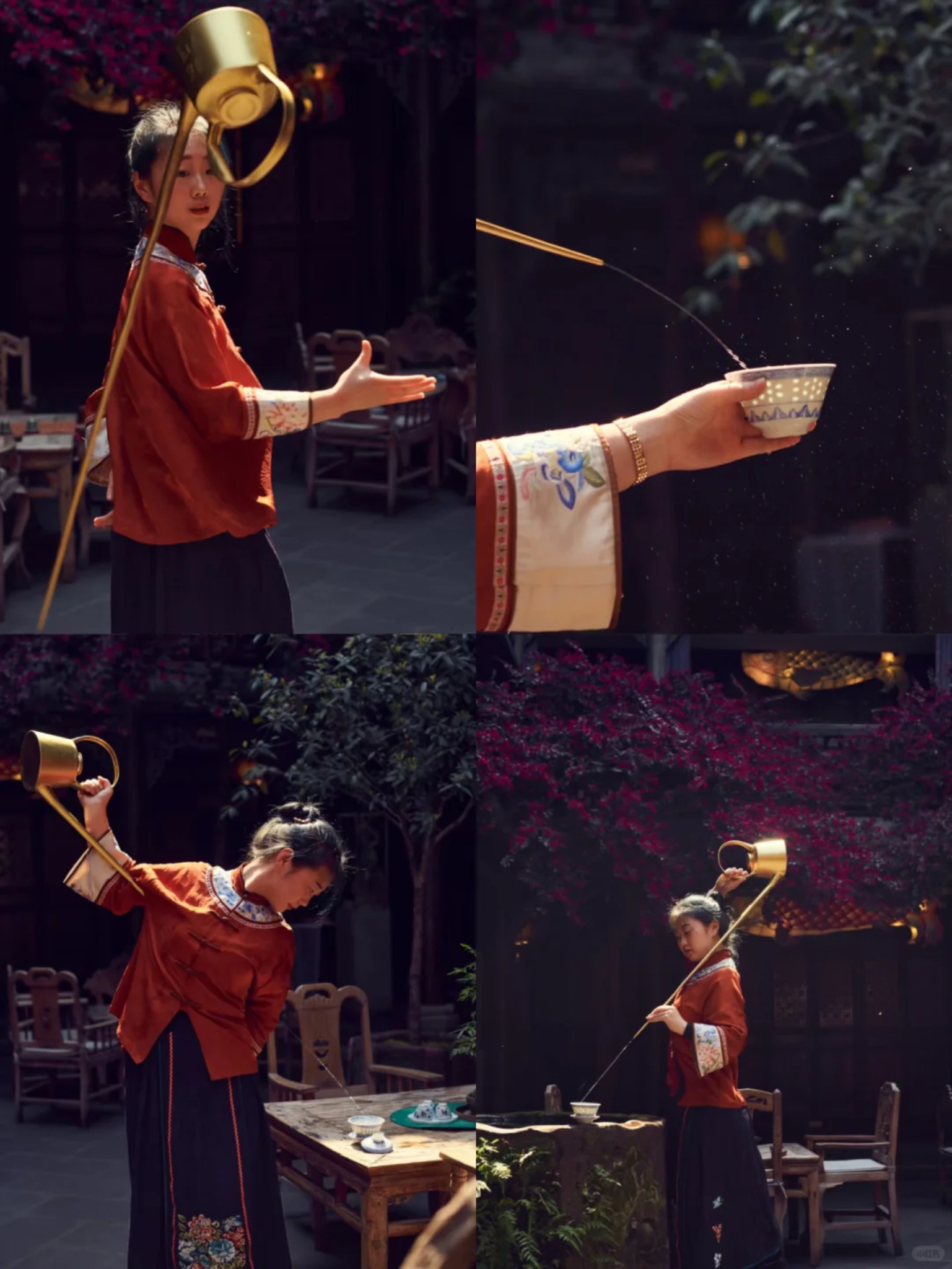
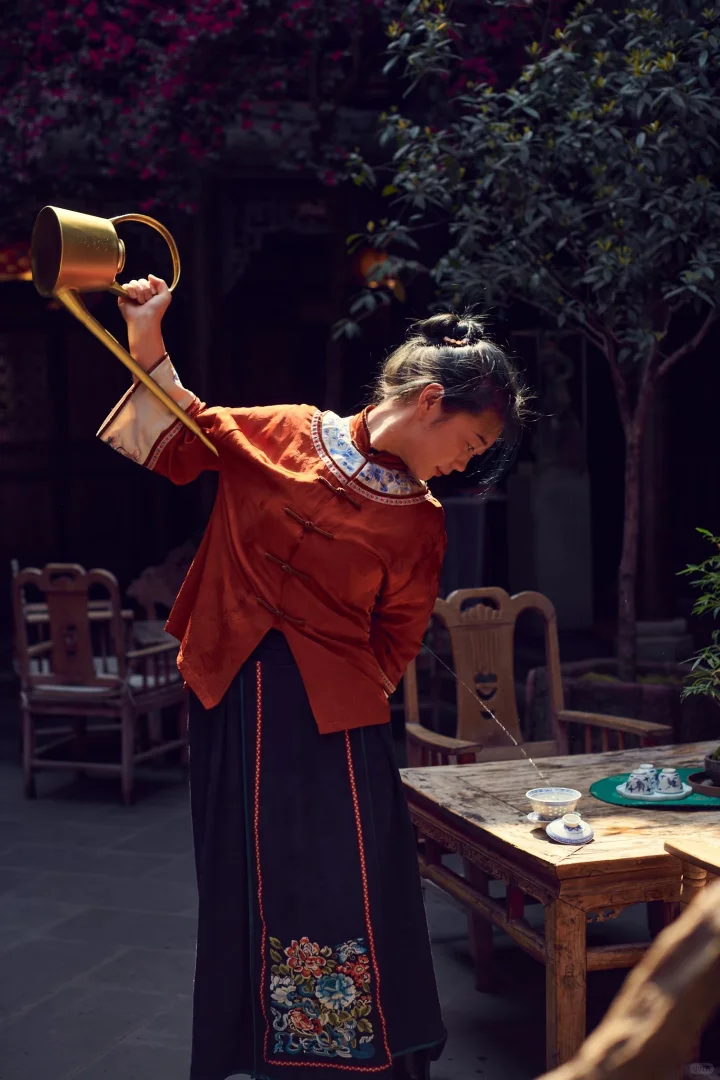
In many Chinese households, serving tea is one of the simplest forms of hospitality. There may not be a formal speech, but the action says enough. A cup is placed before you. Hot water is poured. The leaves open. The conversation begins.
Chinese Tea Culture Is Not Always a Ceremony
Many Western readers search for “Chinese tea ceremony,” but Chinese tea culture is not always a fixed ceremony. There are formal tea performances and regional rituals, but everyday Chinese tea is often more flexible, natural, and personal.
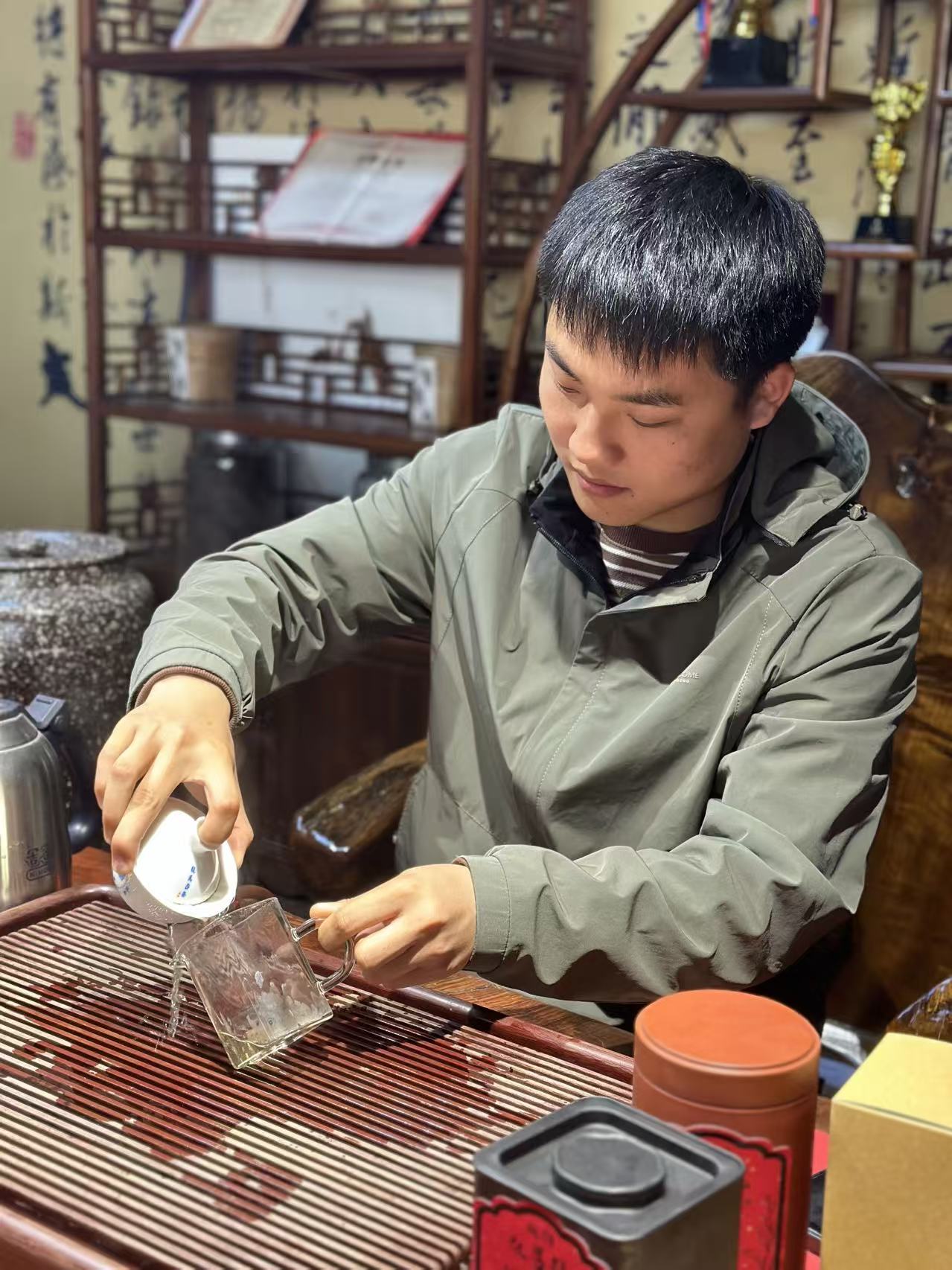
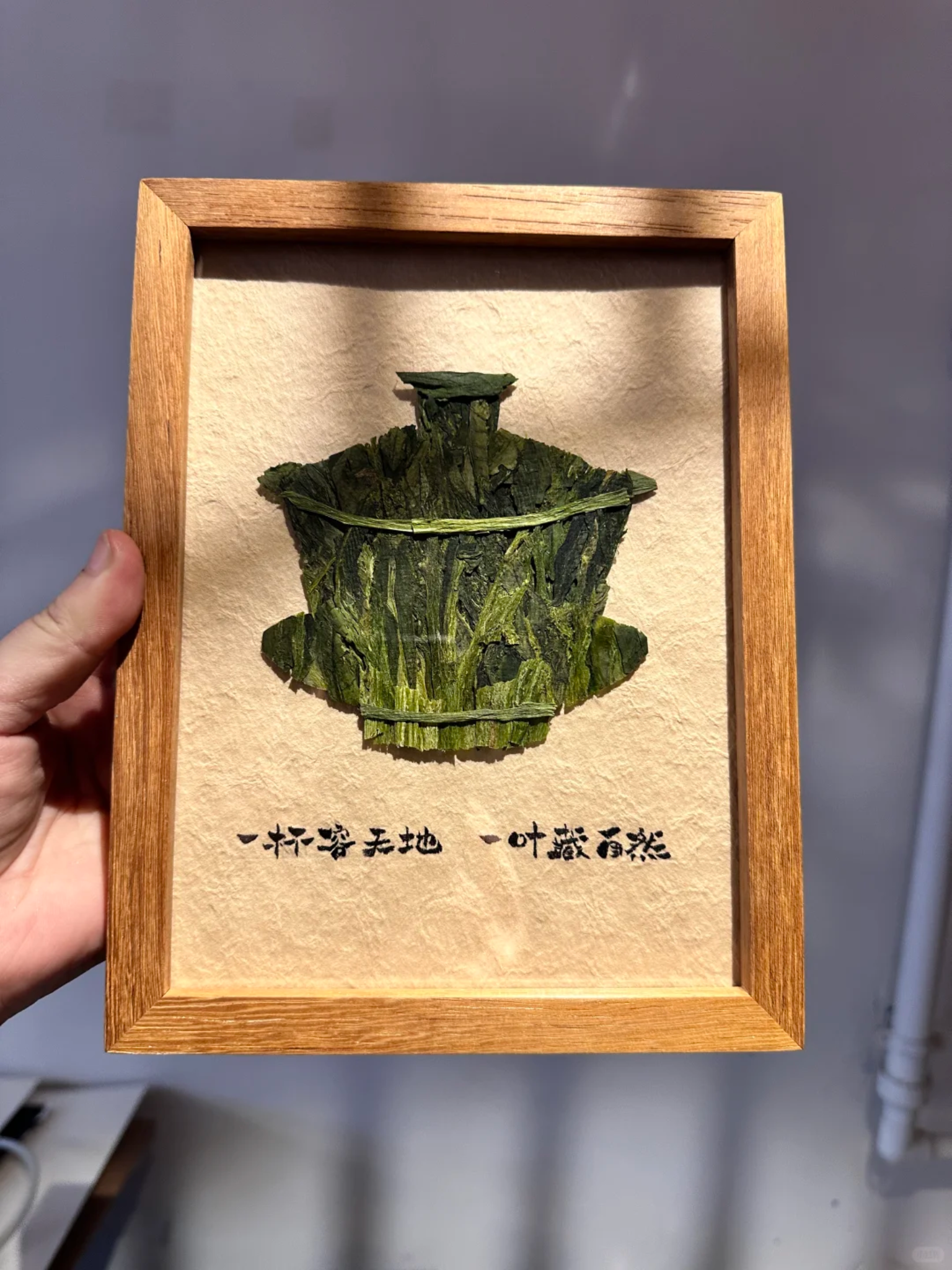
Sometimes it is elegant and quiet. Sometimes it is casual and lively. Sometimes tea is served in a beautiful gaiwan with small cups. Sometimes it is poured into a glass mug at an office desk.
The point is not to perform tea perfectly. The point is to meet tea with care.
Gongfu Tea: The Art of Many Small Cups
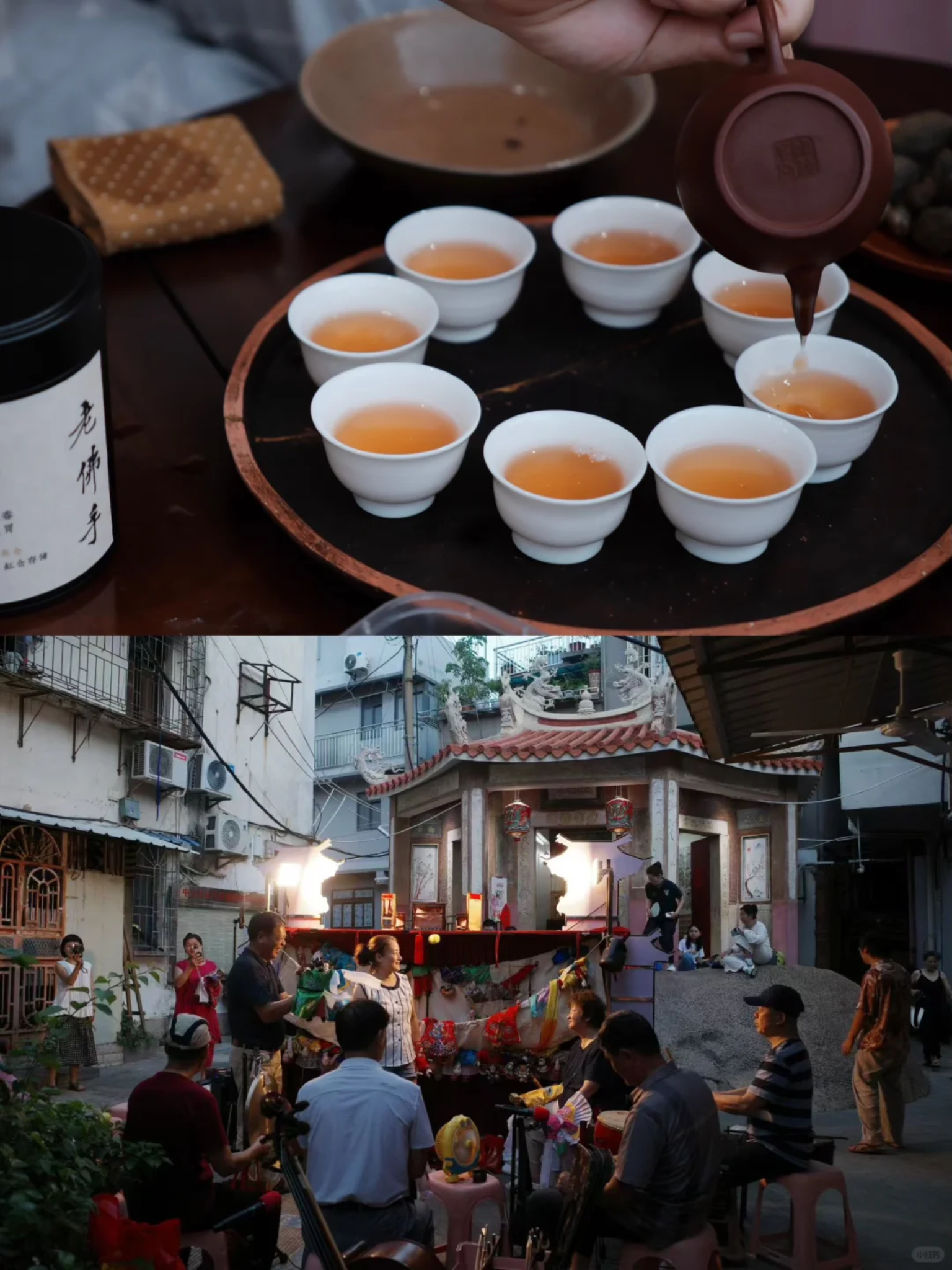
One of the most loved ways to experience Chinese tea is Gongfu tea, often called Gongfu Cha. “Gongfu” means skill, effort, and patient practice.
In Gongfu brewing, you usually use more tea leaves, less water, small teaware, and short repeated infusions. Instead of making one large cup, you brew the tea many times.
The first cup may be light. The second may be fragrant. The third may become sweeter. The fourth may reveal depth. And just when you think you understand the tea, the next cup changes again.
Teaware: Why the Cup Matters
In Chinese tea culture, teaware is not just decoration. It changes the experience.
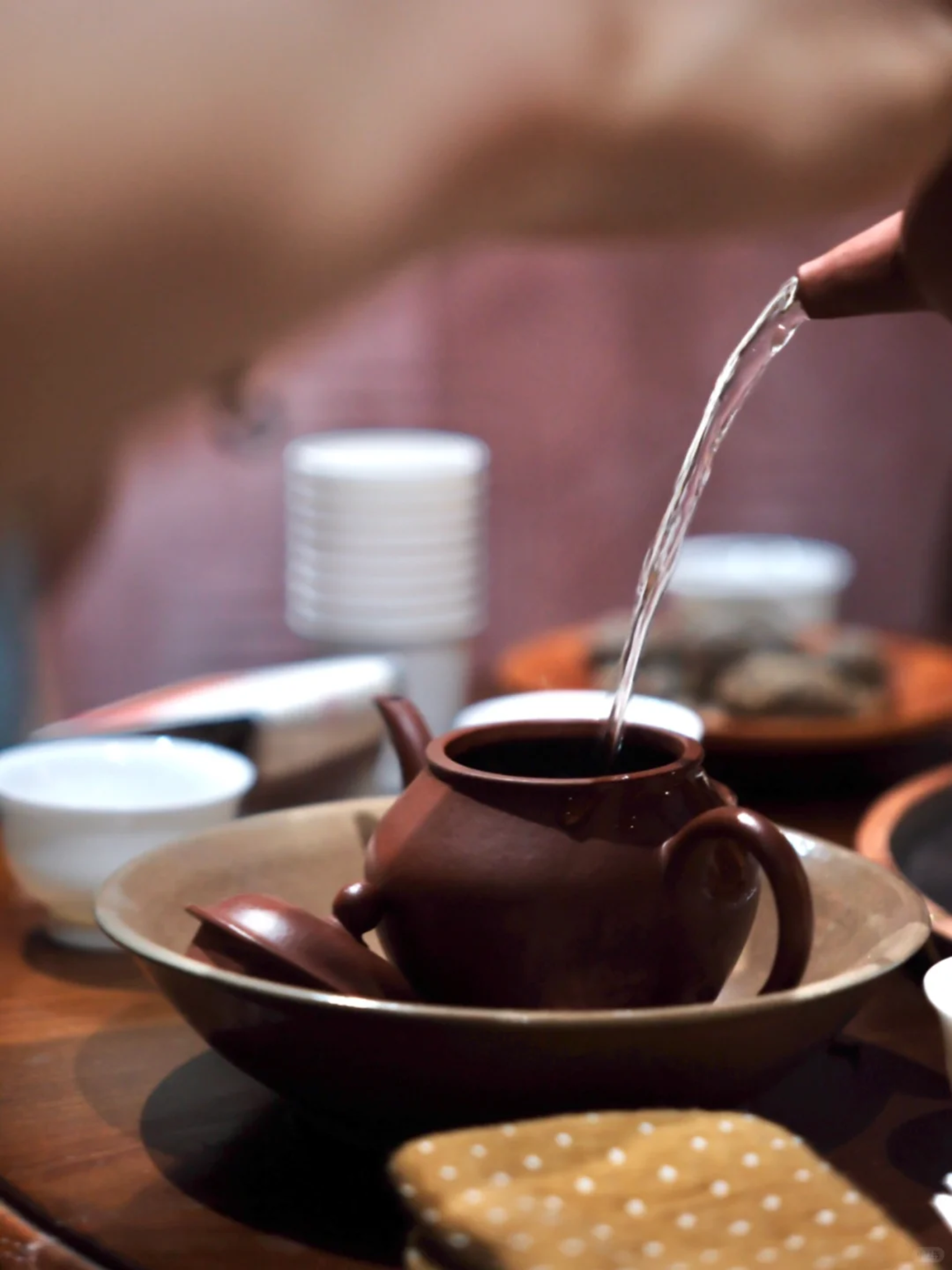
A glass cup lets you watch green tea leaves float and fall. A gaiwan gives control and elegance. A small clay teapot can soften and deepen certain teas. A fairness pitcher helps share tea evenly. Small cups help focus aroma and texture.
A beautiful teacup makes you slow down before drinking. A warm clay pot makes the act of pouring feel intentional. A small cup turns one sip into something worth noticing.
Tea, Buddhism, Daoism, and the Scholar’s Desk
Chinese tea culture has long been connected with spiritual and intellectual life. Monks drank tea to stay awake during meditation. Scholars drank tea while reading, writing, painting, and composing poetry.
Daoist thinkers appreciated tea’s simplicity and closeness to nature. Confucian culture gave tea a role in hospitality, respect, and social order.
Tea sits beautifully between these worlds. It is practical, but also poetic. It wakes the mind, but calms the body. It belongs to daily life, but can feel spiritual.
The Six Types of Tea and Six Ways of Seeing the World
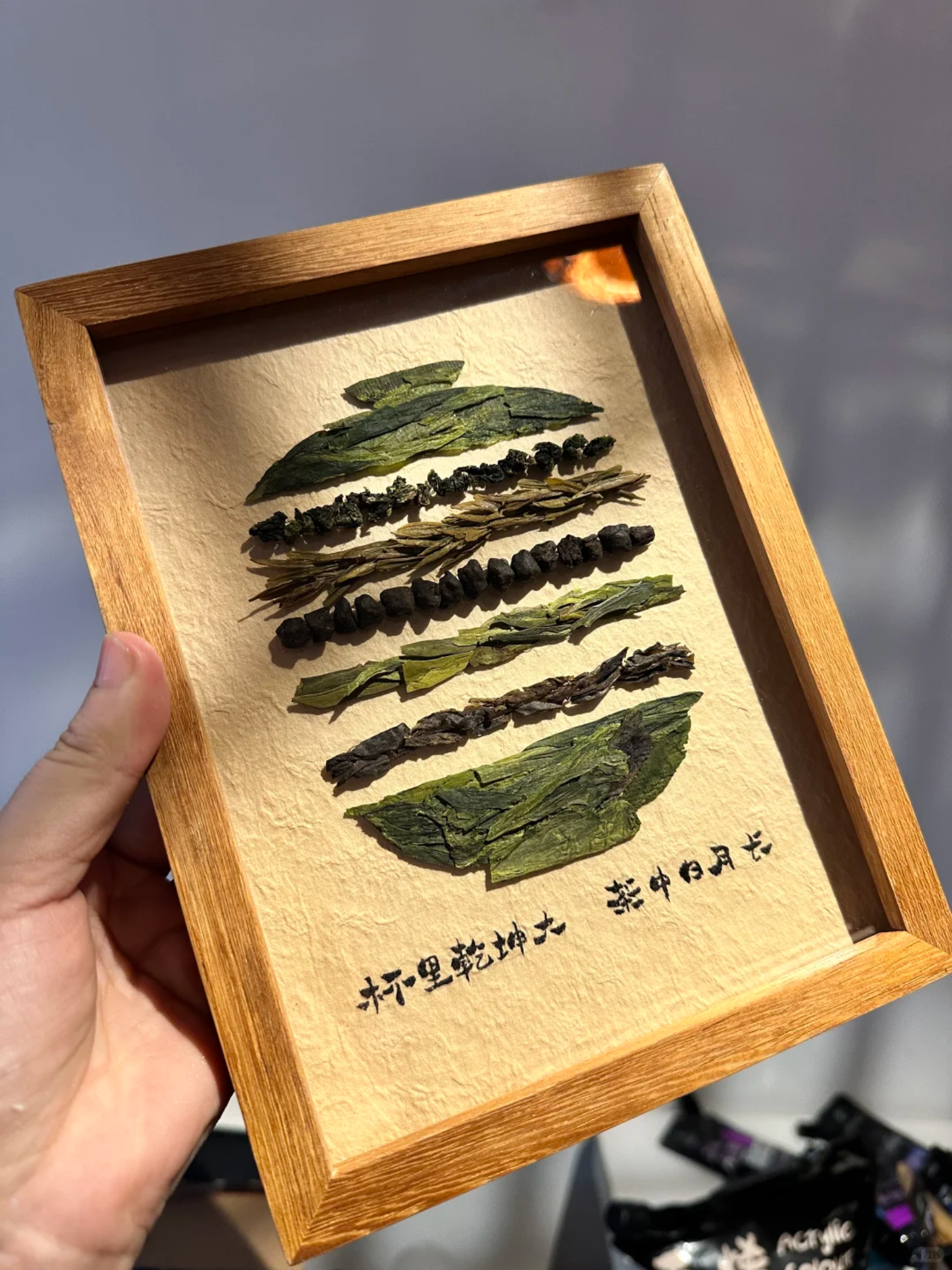
China’s six major tea categories—green tea, white tea, yellow tea, oolong tea, black tea, and dark tea—are not just different flavors. They are different moods.
Tea as Hospitality
In Chinese tea culture, the person brewing tea often pours for others first. This small gesture matters. Tea is not only personal pleasure. It is a way to create connection.
When someone pours tea for you, they are giving attention. When you receive the cup, you receive the moment. When people drink together, silence becomes comfortable.
Coffee often energizes conversation. Wine often celebrates conversation. Tea softens conversation.
The Beauty of Slowness
Modern life moves quickly. Messages arrive. Screens refresh. Meetings begin. Tasks stack up. Attention becomes scattered.
Tea offers another rhythm: boil water, warm the cup, add leaves, pour slowly, wait, smell, and sip.
Nothing here is urgent. The tea does not demand your attention loudly. It earns it quietly.
This may be why Chinese tea culture feels increasingly attractive to modern readers. It offers not only flavor, but also a way to slow down without leaving daily life.
How to Experience Chinese Tea Culture at Home
You do not need to become an expert to enjoy Chinese tea culture. You can begin simply, with good loose-leaf tea, clean water, and a little attention.
- Choose loose-leaf tea instead of low-quality tea bags if possible.
- Use better water, such as filtered or spring water.
- Brew the same tea more than once.
- Smell the dry leaves, wet leaves, and empty cup.
- Drink slowly and notice the aftertaste.
- Share tea with someone when you can.
Common Misunderstandings About Chinese Tea Culture
“Chinese Tea Is Too Complicated”
It can be deep, but it does not need to be difficult. You can start with a mug, hot water, and good leaves.
“You Need Expensive Teaware”
Beautiful teaware can improve the experience, but it is not required. Attention matters more than price.
“All Chinese Tea Tastes the Same”
Not at all. A fresh Longjing, a roasted Wuyi oolong, a sweet Dianhong black tea, and an aged Pu-erh can feel like completely different worlds.
“Tea Culture Is Only for Experts”
Chinese tea culture belongs to daily life. Experts may study it deeply, but anyone can enjoy the first cup.
Why Chinese Tea Culture Still Matters
Chinese tea culture has lasted because it answers a human need. People need more than taste. They need moments of quiet, ways to welcome each other, and rituals that make ordinary life feel meaningful.
Tea connects the body, the senses, nature, and memory. It does this gently. It does not ask you to believe anything. It simply asks you to be present.
Final Thoughts: Tea Is a Culture You Can Taste
Chinese tea culture is not something you only read about. It is something you can taste.
A green tea may show you spring. An oolong may show you fragrance. A black tea may show you warmth. A white tea may show you softness. A Pu-erh may show you time.
But beyond all of that, tea may show you something even more valuable: how to slow down, how to notice, how to listen, how to share, and how to let a simple moment become beautiful.
So the next time you make Chinese tea, do not rush to drink it. Watch the leaves open. Smell the steam. Hold the cup for one quiet second. Somewhere inside that moment, you may begin to understand why tea has stayed so close to Chinese life for so long.