

Where Good Chinese Tea Comes From: A Guide to Tea Origins, Mountains, and Terroir
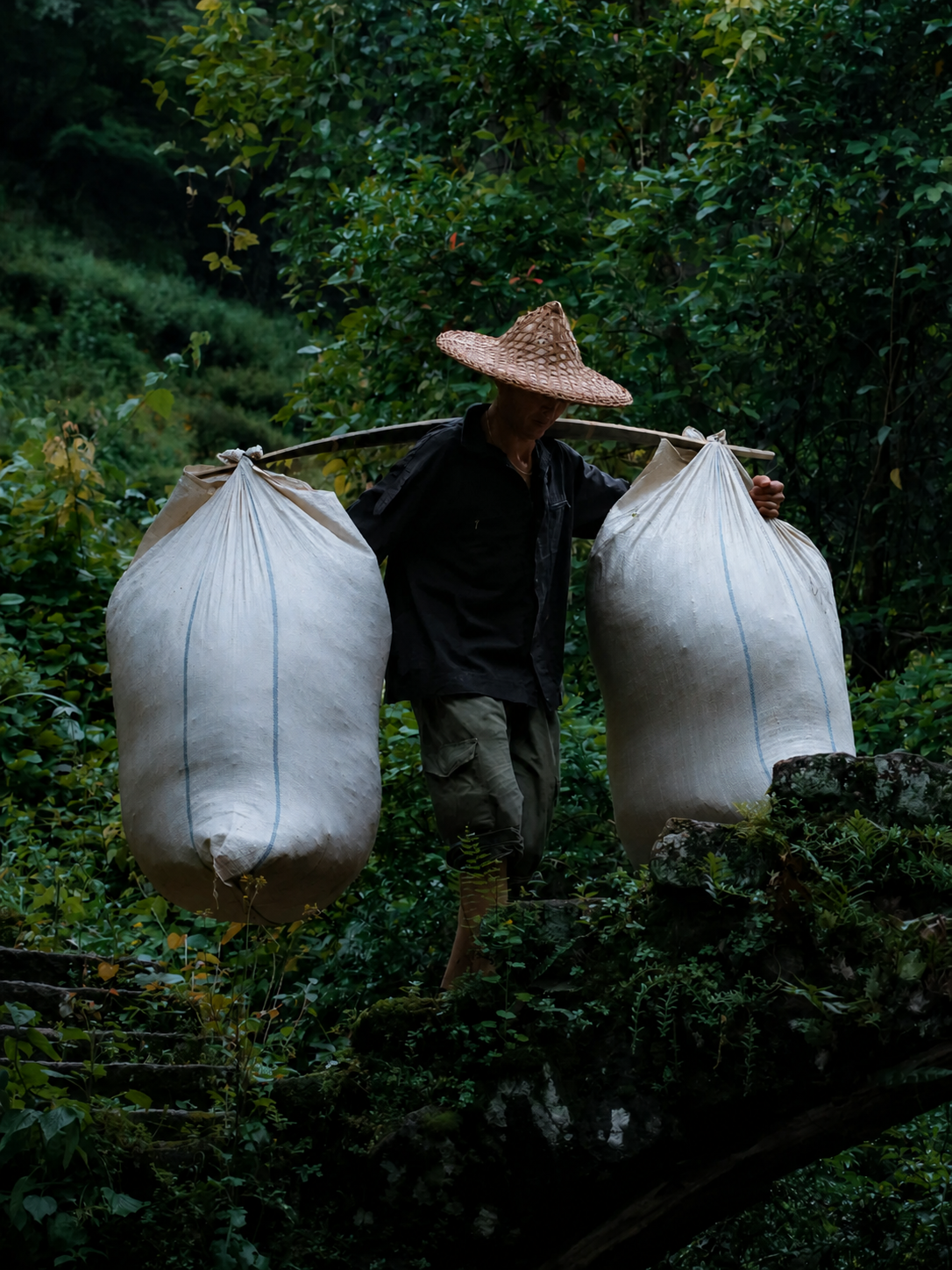
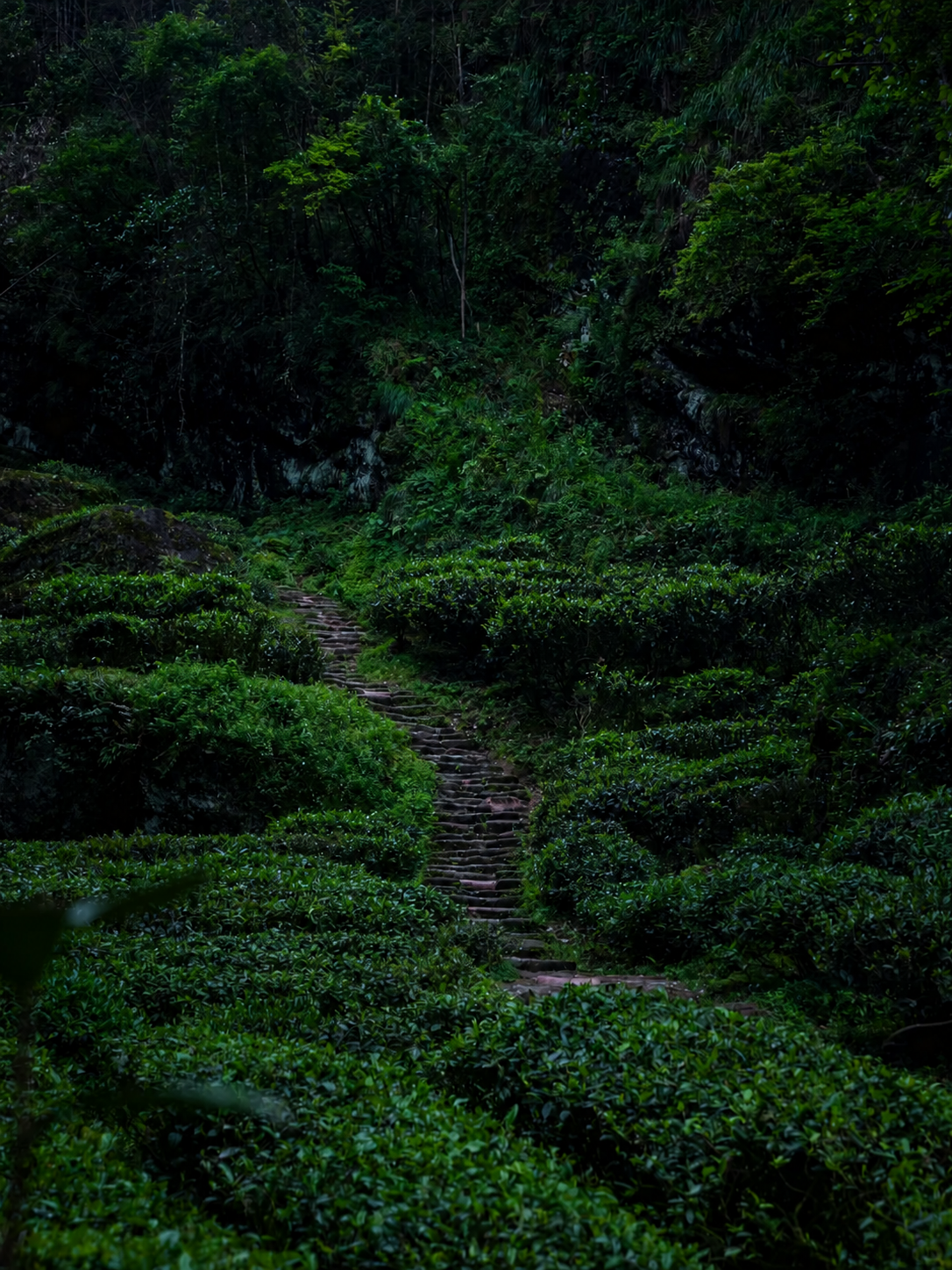
A good cup of Chinese tea does not begin in a teapot. It begins much earlier: on a misty mountain slope, in mineral-rich soil, in ancient forests, and in the hands of people who know when a leaf is ready to be picked.
For many tea drinkers in the West, tea is often understood by type: green tea, black tea, oolong tea, white tea, or Pu-erh tea. But in China, there is another question that matters just as much: where does this tea come from?
The origin of a tea is not only a place on a map. It is the beginning of its flavor. The same tea plant, grown in different mountains, can taste completely different. One may be fresh and grassy. Another may be floral and sweet. Another may feel deep, mineral, earthy, or smooth.
This is why Chinese tea lovers often say that good tea is shaped by four things: mountain, water, soil, and people.
Why Tea Origin Matters
All true tea comes from the tea plant, Camellia sinensis. But not all tea tastes the same. A tea leaf is shaped by its environment long before it is processed.
The mountain altitude, humidity, sunlight, soil, rainfall, temperature difference between day and night, surrounding plants, and local tea-making traditions all influence the final cup. This idea is often called terroir.
In wine culture, terroir explains why grapes from one region taste different from grapes grown somewhere else. Chinese tea has the same idea, but with its own language.
“High mountains and clouds produce good tea.”
Because mountain tea grows slowly. Mist softens sunlight. Cooler air helps leaves develop more aroma. Clean water, rich soil, and natural biodiversity all give tea leaves more depth.
The Secret of Good Tea: It Is Not Only the Leaf
When people first learn about Chinese tea, they often focus on the tea type. Green tea is fresh. White tea is gentle. Oolong tea is aromatic. Black tea is warm. Pu-erh tea is aged and deep.
But tea type is only one part of the story. The same green tea made from different origins can taste completely different. A green tea from Hangzhou may feel smooth and nutty. A green tea from Huangshan may feel soft and misty. A green tea from Xinyang may taste bold, fresh, and slightly savory.
Origin answers questions like: Was the tea grown in high mountains or lowland fields? Was the soil sandy, rocky, red, yellow, or mineral-rich? Was the area humid, cool, sunny, or misty? Were the leaves picked in early spring or later in the season? Were the tea trees young bushes or old trees? Was the tea made by machine or by experienced hands?
A tea’s origin is like its memory. When you drink it, you are tasting the place it came from.
China’s Great Tea Landscapes
China is one of the most diverse tea-producing countries in the world. From the subtropical mountains of Yunnan to the rocky cliffs of Fujian and the misty hills of Zhejiang, each region gives tea a different personality.
Yunnan: Ancient Tea Forests and the Soul of Pu-erh
If you want to understand the ancient roots of Chinese tea, start in Yunnan. Yunnan is home to some of China’s most famous Pu-erh teas and ancient tea trees.
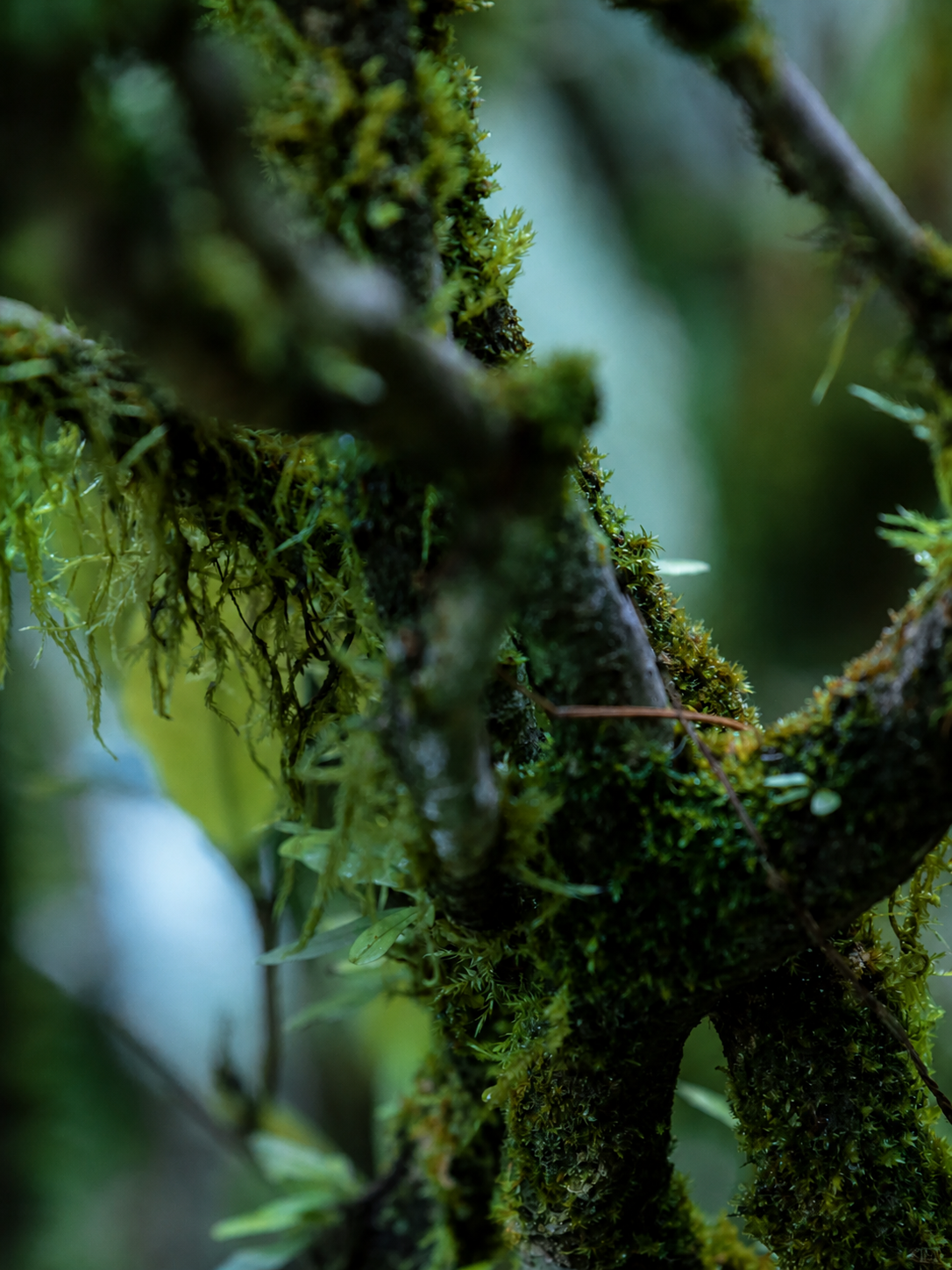
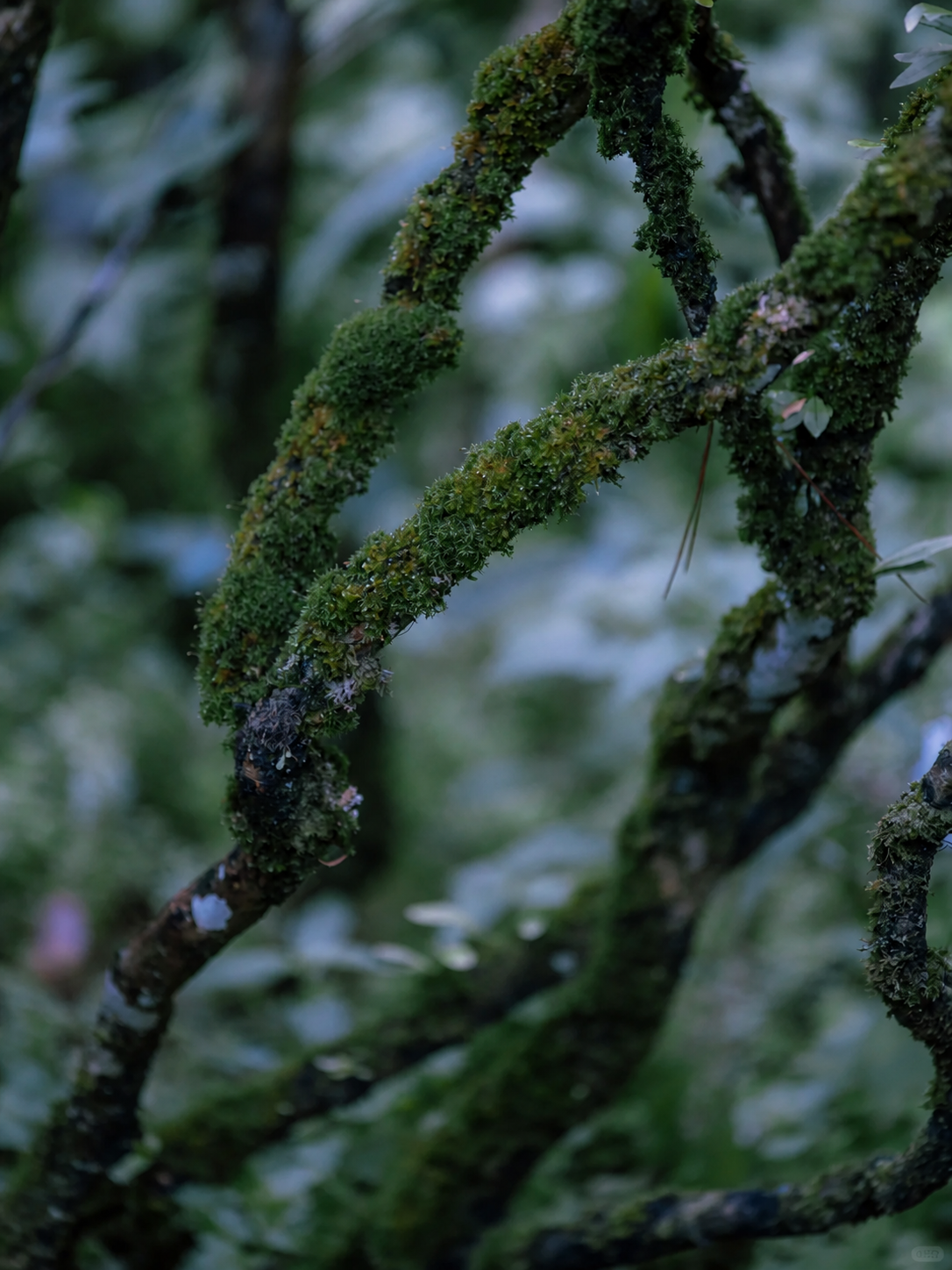
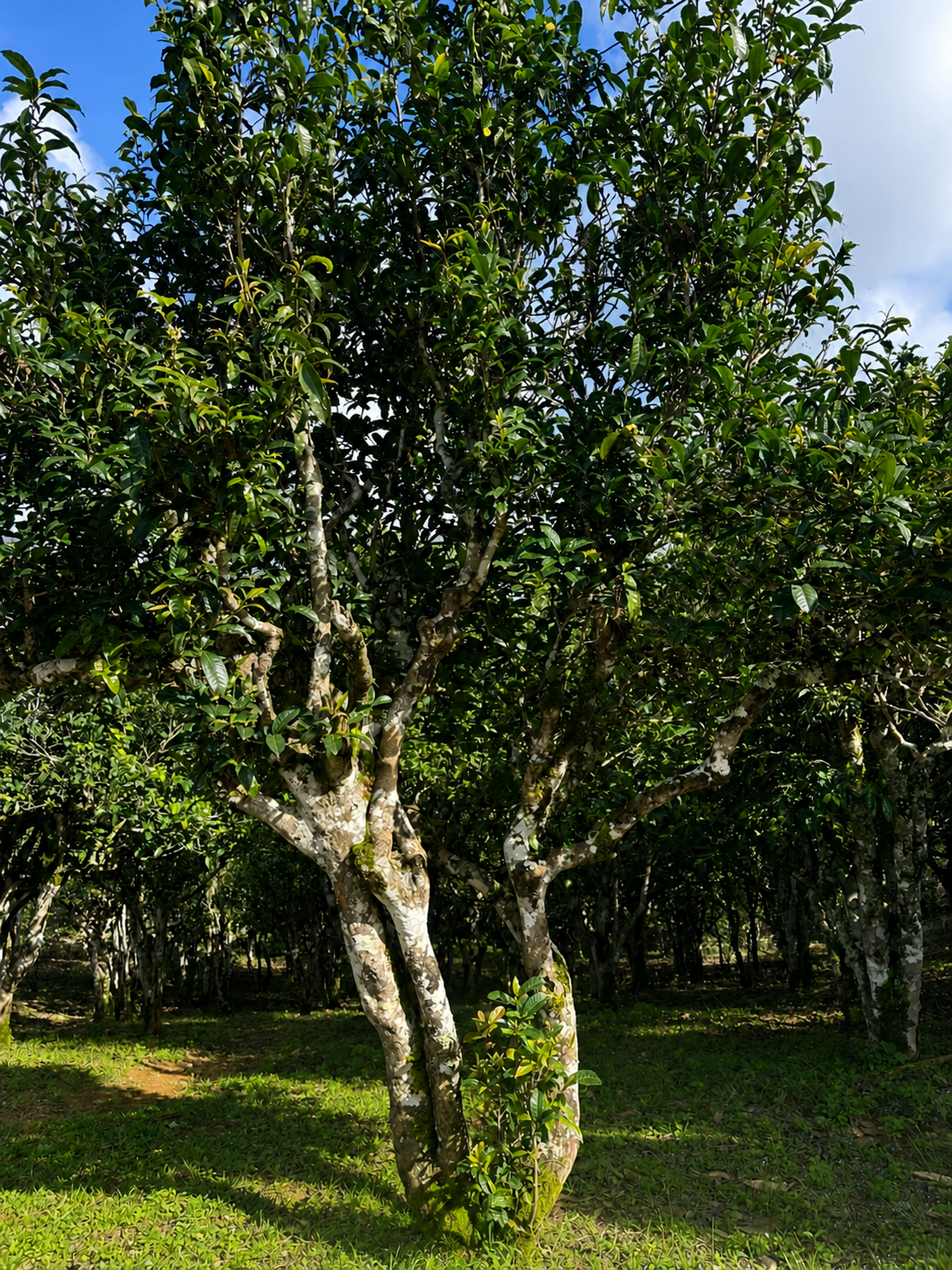
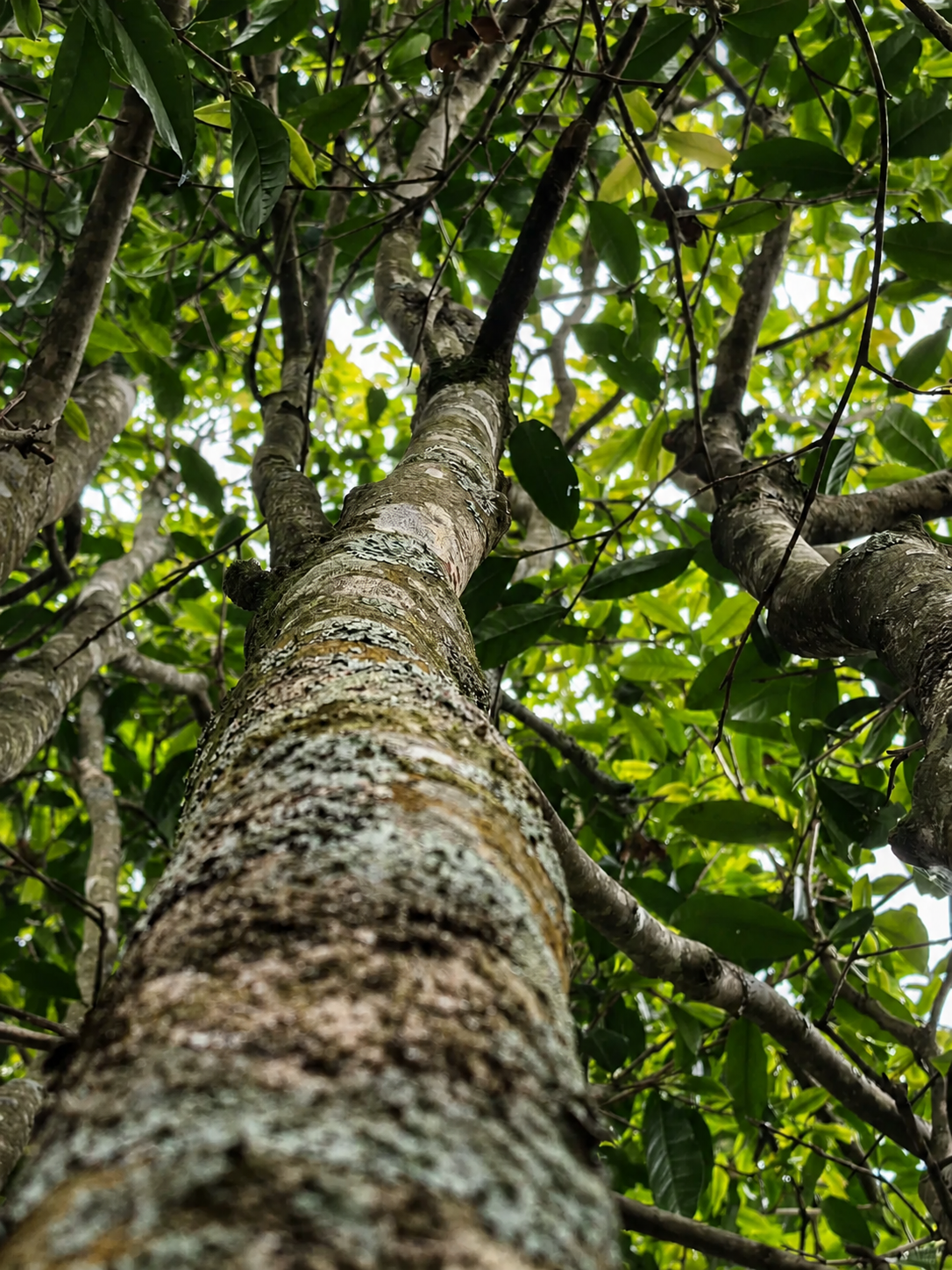
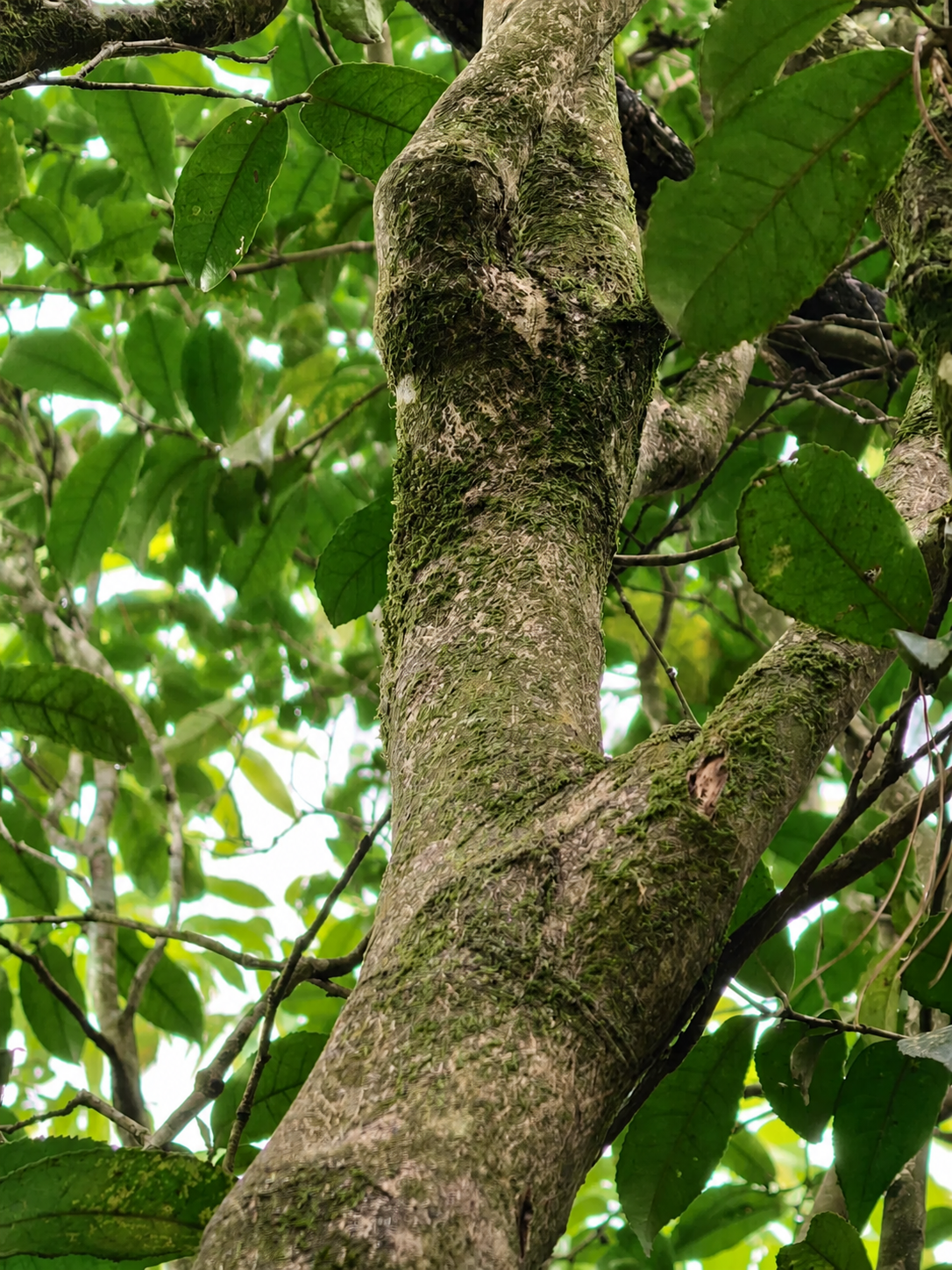
In many tea mountains, tea trees are not planted like neat garden rows. They grow in forests, surrounded by other plants, moss, insects, birds, and mountain air. This is one reason Yunnan tea feels so alive.
What Yunnan Tea Often Tastes Like
- Deep
- Earthy
- Sweet
- Floral
- Woody
- Honey-like
- Powerful with a long aftertaste
Yunnan is especially famous for Pu-erh tea, ancient tree tea, Dianhong black tea, and large-leaf tea varieties.
Why Yunnan Origin Feels Special
Many ancient tea trees in Yunnan grow in mountain forests rather than open fields. Their roots reach deep into the soil. Their leaves carry the character of old forests, wild plants, mist, and mountain weather.
A young raw Pu-erh may taste strong and slightly bitter at first. But after a few infusions, sweetness appears. Then depth. Then a cooling feeling. Then a long aftertaste.
This is why Pu-erh tea is often described as a journey. At first, it may not tell you everything. It asks you to keep drinking. Then slowly, it opens.
Wuyi Mountains: The Home of Rock Tea
Some teas taste like flowers. Some taste like fruit. And some taste like stone after rain. That is the magic of Wuyi Rock Tea, also known as Yancha.
Wuyi tea comes from the Wuyi Mountains in Fujian Province, a region famous for dramatic cliffs, rocky valleys, biodiversity, and deep cultural history. The word Yancha means “rock tea.” The name comes from the rocky mountain environment where the tea grows.
What Wuyi Rock Tea Often Tastes Like
- Roasted
- Mineral
- Deep
- Floral
- Nutty
- Warm
- Long-lasting
The most famous Wuyi tea is Da Hong Pao, often translated as “Big Red Robe.”
Why Rock Tea Is So Memorable
Wuyi tea is famous for something called yan yun, often translated as “rock rhyme.” It is not just taste. It is a feeling.
A good rock tea may start with roasted aroma. Then it becomes floral. Then mineral. Then sweet in the throat. The aftertaste lingers longer than expected.
This is tea shaped by cliffs, minerals, fire, and time.
Hangzhou: The Gentle Freshness of West Lake Longjing
If Yunnan feels ancient and Wuyi feels mineral, Hangzhou feels graceful. Hangzhou is the home of West Lake Longjing, one of China’s most famous green teas.
Longjing is loved for its flat leaves, smooth body, gentle sweetness, and chestnut-like aroma. It is the kind of tea that can feel simple at first, but becomes more beautiful when you slow down.
What Longjing Often Tastes Like
- Fresh
- Smooth
- Nutty
- Sweet
- Clean
- Lightly vegetal
The hills around West Lake create a gentle environment with humidity, soft light, and traditional tea-making knowledge. Good Longjing does not need to be loud. It is elegant.
Huangshan: Mist, Mountains, and Elegant Green Tea
Huangshan, or the Yellow Mountain region, is one of China’s most famous mountain landscapes. It is also home to elegant teas such as Huangshan Maofeng.
This region is known for misty peaks, pine trees, clouds, and cool mountain air. It is exactly the kind of place people imagine when they hear the phrase: “High mountains and clouds produce good tea.”
What Huangshan Tea Often Tastes Like
- Soft
- Fresh
- Floral
- Clean
- Slightly sweet
- Smooth in texture
Huangshan tea is not usually heavy. Its beauty is quiet. It feels like mist in a cup.
Anxi: The Floral World of Tieguanyin
Anxi, in Fujian Province, is famous for Tieguanyin, one of China’s best-known oolong teas. Tieguanyin can be floral, creamy, smooth, and fragrant.
What Tieguanyin Often Tastes Like
- Floral
- Creamy
- Smooth
- Fresh
- Lightly sweet
- Orchid-like
Tieguanyin is shaped not only by the land, but also by processing skill. Oolong tea is partially oxidized, and a few hours can change everything.
The mountain grows the leaf. The tea maker reveals its fragrance.
Fuding: The Quiet Beauty of White Tea
Fuding, in Fujian Province, is one of the most famous origins for Chinese white tea. White tea is gently processed, usually withering and drying with minimal handling.
What Fuding White Tea Often Tastes Like
- Gentle
- Sweet
- Floral
- Soft
- Honey-like
- Clean and calming
White tea may seem simple, but that simplicity is part of its beauty. It does not shout. It waits. A good white tea can become sweeter as it cools.
Qimen: The Elegant Origin of Chinese Black Tea
In China, what Western drinkers call “black tea” is traditionally called red tea, because the brewed liquor is often red or amber. One of China’s most famous black teas is Keemun, or Qimen Hongcha, from Anhui Province.
What Qimen Black Tea Often Tastes Like
- Smooth
- Malty
- Fruity
- Honey-like
- Slightly floral
- Warm and elegant
A good Chinese black tea often does not need milk or sugar. It already has natural sweetness and depth.
Xinyang: A Northern Green Tea With Strength
Xinyang Maojian, from Henan Province, is another famous Chinese green tea. Compared with some delicate southern green teas, Xinyang Maojian can feel stronger, fresher, and more vivid.
What Xinyang Maojian Often Tastes Like
- Fresh
- Brisk
- Savory
- Slightly vegetal
- Clean
- Stronger than many soft green teas
This tea shows that Chinese green tea is not just one flavor. Some green teas are gentle and sweet. Some are bold and lively. Some feel like spring rain. Others feel like mountain wind.
What Makes a Place Good for Tea?
A good tea origin is not random. Several natural and human factors work together.
How to Taste the Origin in a Cup of Tea
When you drink Chinese tea, try not to rush. A tea’s origin often appears slowly.
Aroma
Does it smell floral, grassy, roasted, woody, fruity, or earthy?
Texture
Is the tea thin, smooth, thick, creamy, sharp, or soft?
Aftertaste
Does the flavor disappear quickly, or does it stay in the mouth and throat?
Energy
Some teas feel light and refreshing. Others feel warming, grounding, or calming.
Infusion Changes
Good Chinese tea often changes over multiple brews. The first cup may show fragrance. The second may show sweetness. The third may show body. The fourth may show aftertaste.
How to Choose Tea by Origin
If you are new to Chinese tea, here is a simple map.
This is not a rule. It is a map. And every good map should make you want to travel.
The Story Hidden in Good Tea
Imagine holding a cup of Pu-erh from Yunnan. Before it reached you, the leaf may have grown on an old tea tree in a humid forest. It may have passed through spring mist, mountain rain, careful picking, sun drying, compression, aging, and years of waiting.
Now imagine Wuyi Rock Tea. Its roots grew among cliffs and stones. Its leaves were roasted with skill. Its flavor carries something warm, mineral, and mysterious.
Now imagine Longjing. Tender leaves from spring hills near West Lake, pan-fired by skilled hands until they become flat, smooth, and fragrant.
Three teas. Three origins. Three completely different worlds. That is Chinese tea: not just one drink, but thousands of landscapes translated into flavor.
Final Thoughts: Good Tea Has a Home
The more you learn about Chinese tea, the more you realize one thing: good tea is never just “tea.”
It has a home. It comes from a mountain, a forest, a village, a season, a craft, and a memory.
So next time you drink Chinese tea, do not only ask: what type of tea is this? Ask: where did it come from?
Because sometimes, the origin is the most important flavor of all.