
Why Ancient Tree Tea Tastes Better: The Secret Behind Yunnan Old Tree Pu-erh
Ancient tree tea is one of the most admired categories in Chinese tea, especially in the world of Pu-erh tea. For many tea lovers, ancient tree Pu-erh is not only about age. It is about mountains, forests, deep roots, natural ecology, traditional craftsmanship, and the quiet complexity that develops in every cup.
But why does ancient tree tea often taste richer, smoother, and more layered than ordinary tea? The answer is not one single factor. It comes from the relationship between the tree, the mountain, the soil, the climate, the processing, and the way the tea is stored.
What Is Ancient Tree Tea?
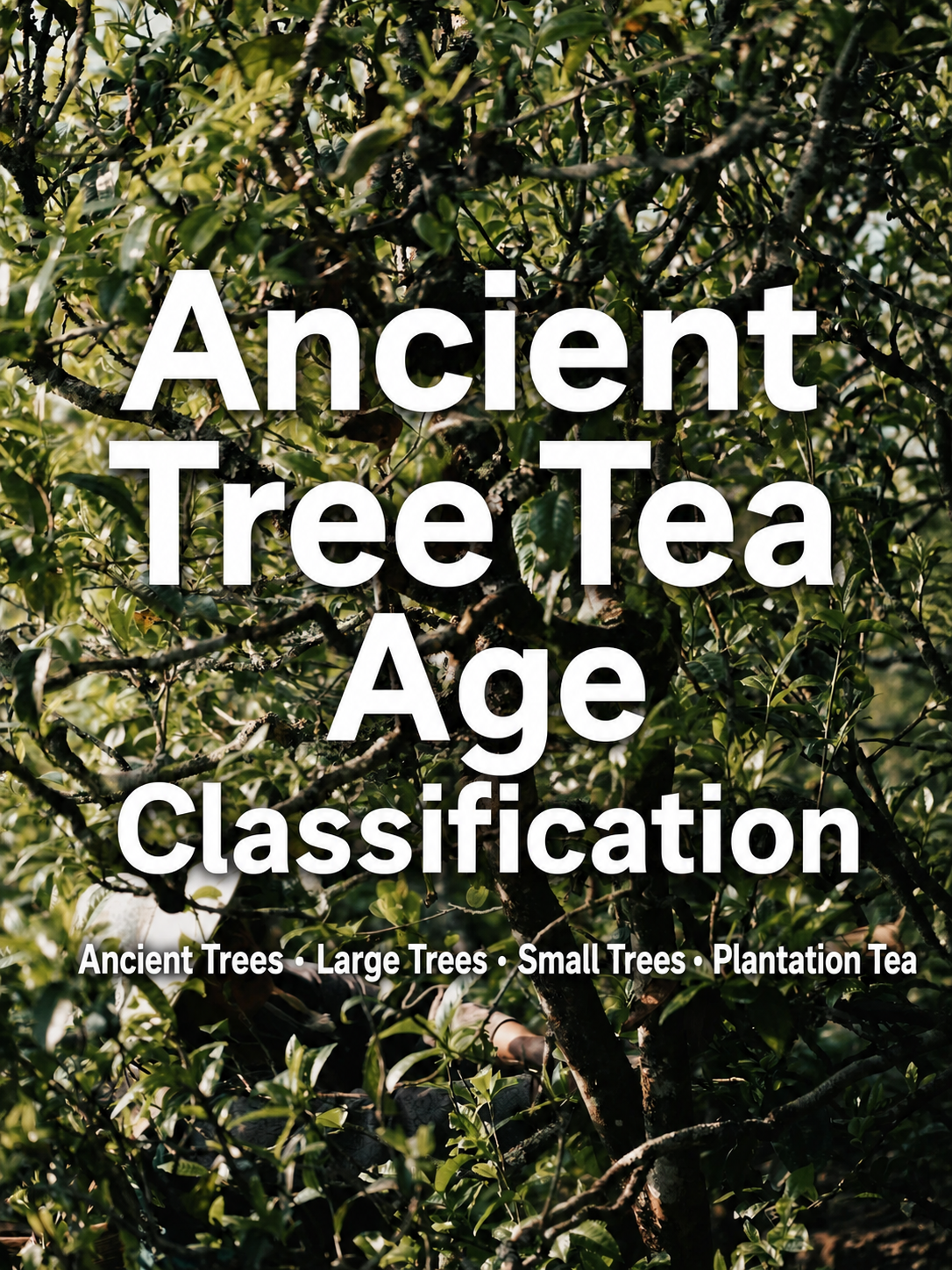
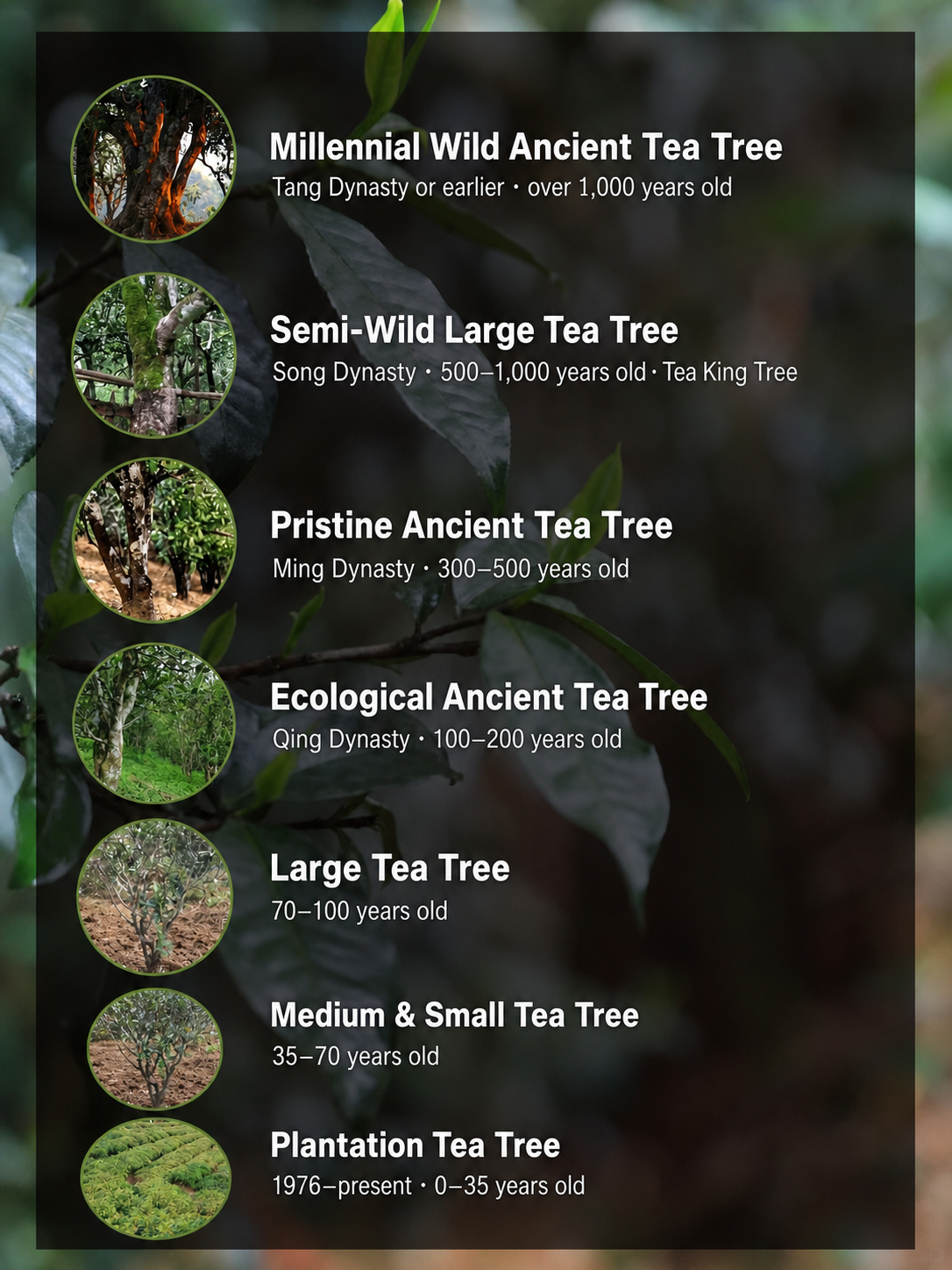
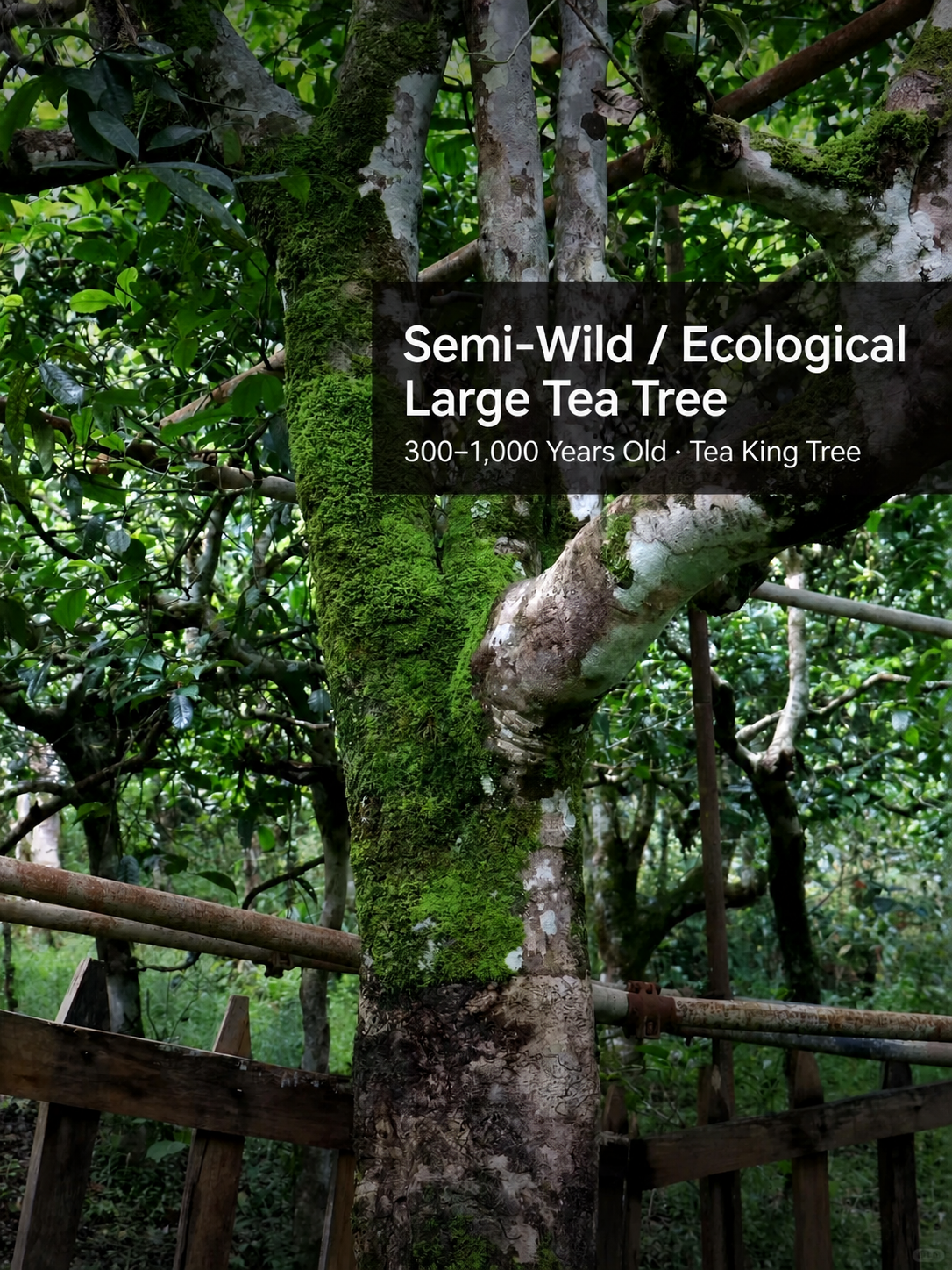
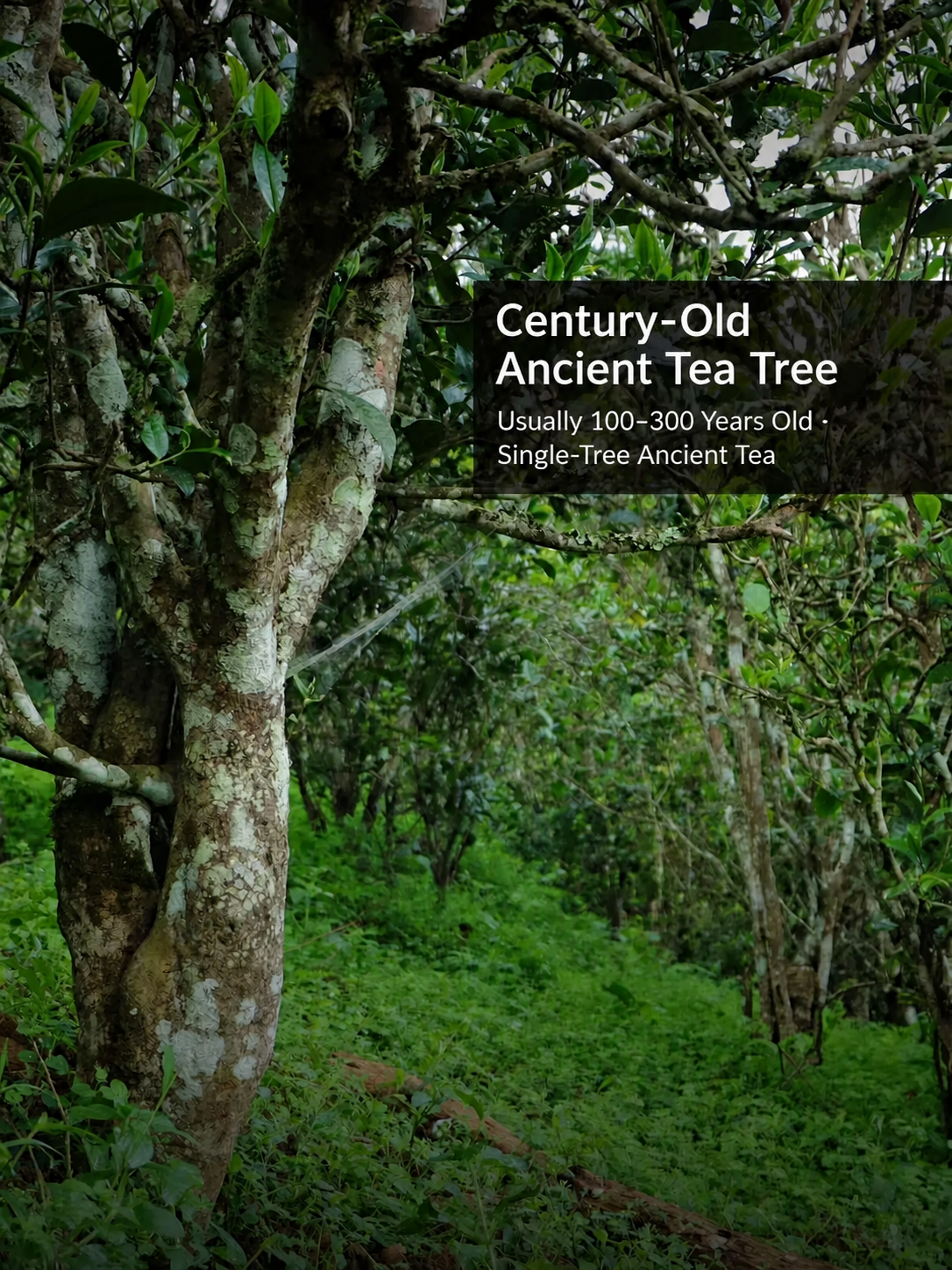
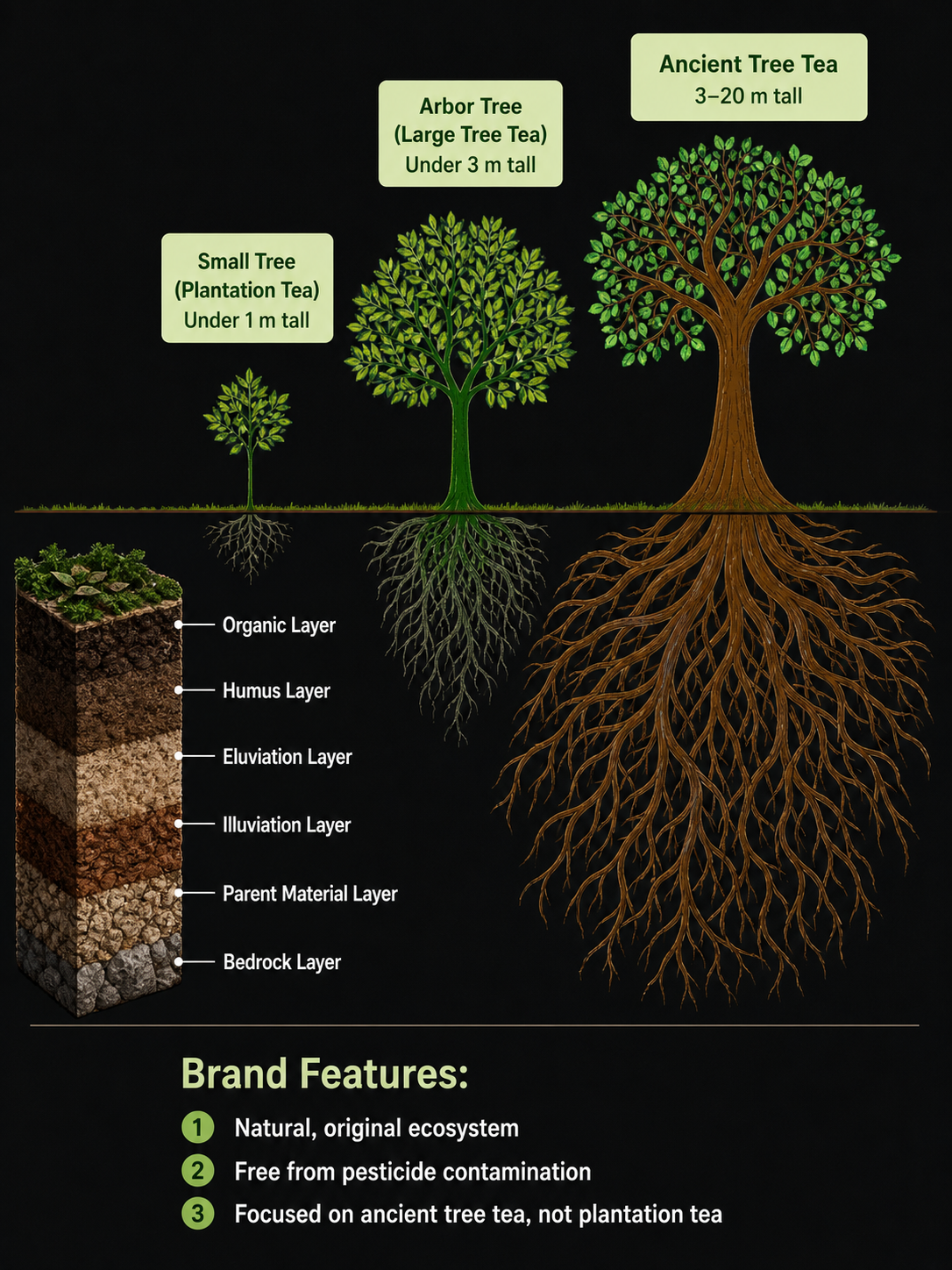
Ancient tree tea usually refers to tea made from old tea trees that are more than 100 years old. In Yunnan, many ancient tea trees grow in old tea mountains, traditional tea villages, semi-wild forests, or ancient tea gardens.
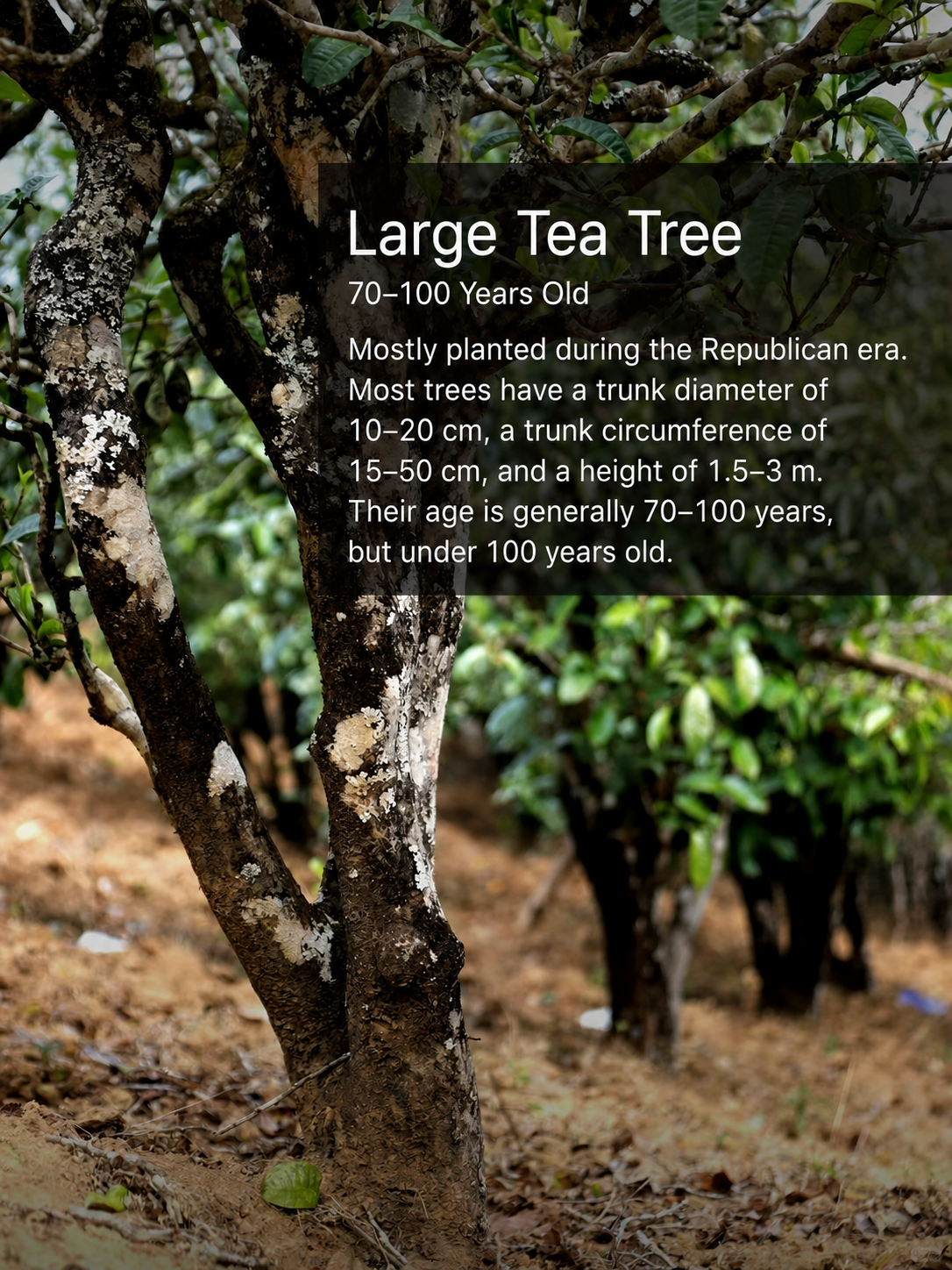
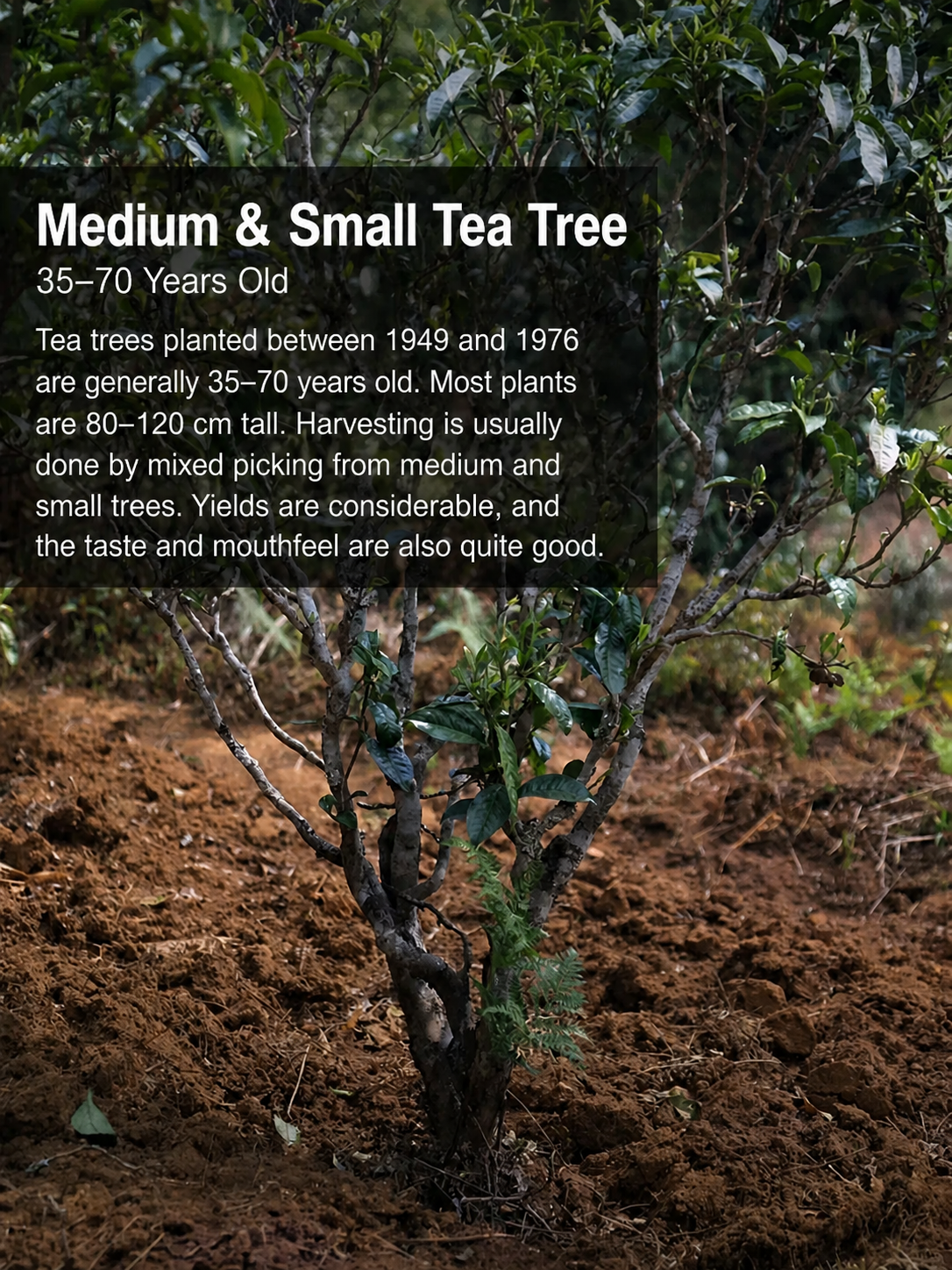
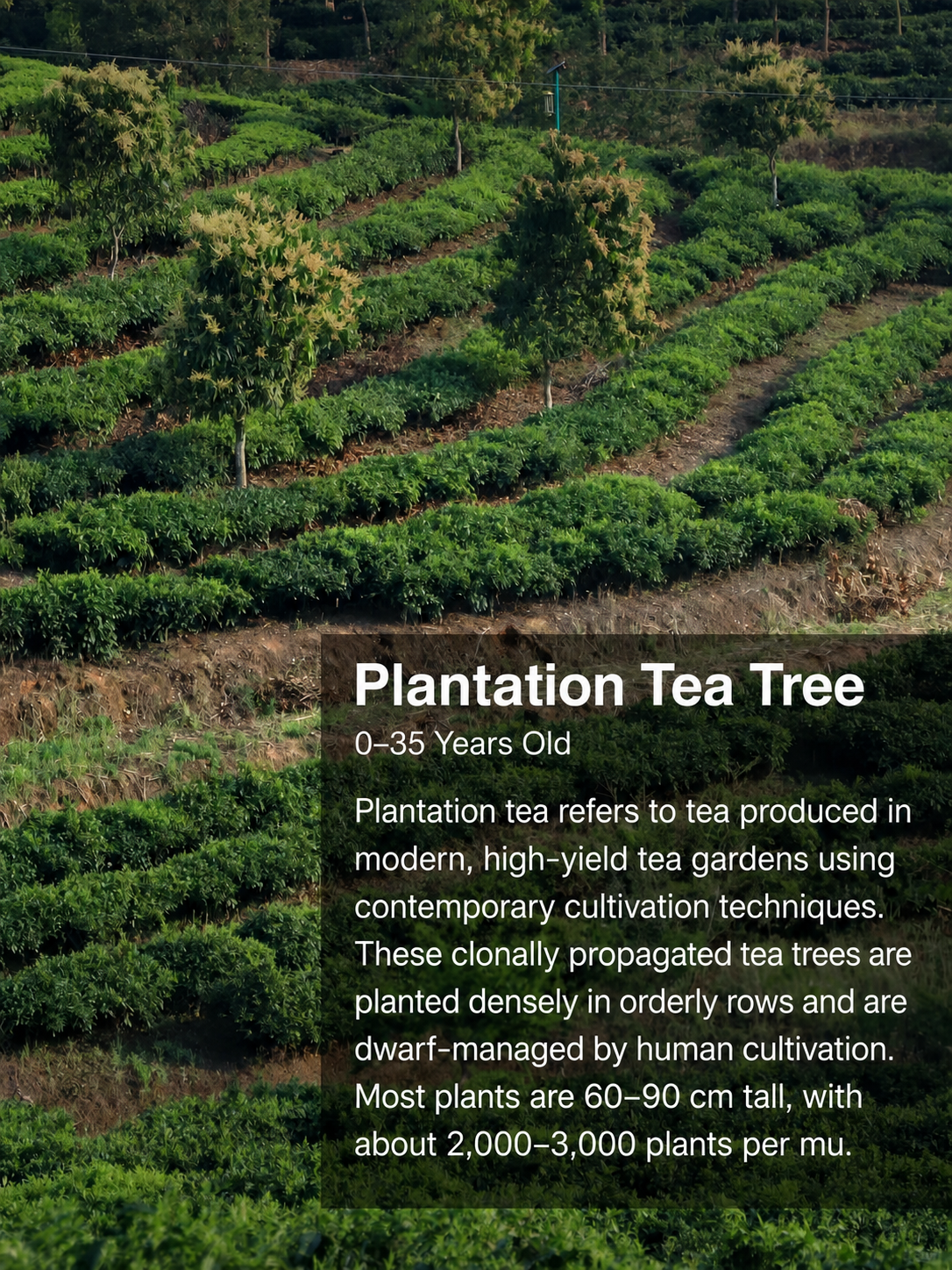
These trees are usually much taller and older than modern plantation tea bushes. Ancient tree tea is especially important in Pu-erh tea because old tea trees often produce leaves with deeper texture, stronger aftertaste, and more distinctive mountain character.
However, tree age alone does not guarantee quality. A good ancient tree tea also depends on origin, harvest season, processing skill, storage condition, and honest sourcing.
1. A Better Natural Growing Environment
One of the biggest reasons ancient tree tea tastes special is its growing environment. Many ancient tea trees grow in mountain forests, far away from industrial areas. The soil is often rich, the air is humid, and the tea trees grow together with many other plants.
This natural biodiversity creates a balanced ecosystem around the tea trees. In many Yunnan tea mountains, ancient tea trees grow at higher elevations with mist, clean mountain air, and large temperature differences between day and night.
These conditions slow down leaf growth. Slow growth allows the tea leaves to accumulate more aroma, flavor compounds, and internal substance. This is why many ancient tree teas feel deeper, thicker, and more complex in the mouth.
2. Deep Roots Bring More Depth
Old tea trees have deep and developed root systems. Compared with young plantation tea bushes, ancient tea trees can reach deeper layers of soil and absorb moisture, minerals, and nutrients from a wider natural environment.
This does not mean ancient tree tea always tastes “mineral” in a simple way. Instead, the result is often shown through a more balanced and layered drinking experience.
3. Richer and More Balanced Inner Substance
A good ancient tree tea is often valued for balance. In Chinese tea tasting, people often talk about hui gan, or returning sweetness, and sheng jin, a refreshing salivation or mouth-watering feeling.
Ancient tree Pu-erh tea often performs well in these areas. The tea may have bitterness at first, especially if it is raw Pu-erh, but the bitterness can transform quickly into sweetness. The tea soup may feel full and smooth rather than thin or sharp.
4. A More Complex Aroma
Ancient tree tea can show a wide range of aromas. Depending on the mountain and processing style, you may find notes of orchid, honey, wildflowers, forest wood, herbs, dried fruit, or fresh mountain air.
The aroma is not always loud at the beginning. Sometimes it is calm, deep, and long-lasting. This is different from some young plantation teas that may have a sharp fragrance but less depth in later infusions.
A good ancient tree Pu-erh tea often has an aroma that stays in the cup, in the mouth, and sometimes even in the throat after drinking.
5. Traditional Processing Preserves the Tea’s Character
Ancient tree tea is often processed with more attention because the raw material is limited and valuable. For raw Pu-erh tea, traditional processing usually includes careful picking, withering, kill-green, rolling, and sun drying.
The goal is not to make the tea overly processed. Good processing should preserve the natural character of the leaves and allow the tea to age well over time.
When ancient tree raw Pu-erh is processed properly, it can keep enough strength, aroma, and inner structure for future transformation. This is one reason many tea collectors choose ancient tree raw Pu-erh for aging.
6. Stronger Aging Potential
Ancient tree Pu-erh tea is often appreciated for its aging potential. A well-made raw Pu-erh from old tree material can gradually become smoother and deeper during proper storage.
The fresh floral aroma may slowly develop into honey, dried fruit, wood, herbal, or aged sweetness. But aging potential depends on more than tree age.
7. Natural Biodiversity Creates Regional Character
Many ancient tea gardens are not simple tea plantations. They are part of a larger forest ecosystem. The tea trees may grow alongside other trees, grasses, insects, birds, and microorganisms.
This biodiversity helps create a more natural growing environment. It also makes each tea mountain taste different.
This regional character is one of the most exciting parts of drinking ancient tree Pu-erh tea. For serious tea lovers, ancient tree tea is not only about flavor. It is about tasting a place.
Ancient Tree Tea vs Ordinary Tea
The difference is not simply “old trees are better.” A young tea garden can still produce clean and enjoyable tea. A poorly processed ancient tree tea can still taste disappointing.
But when the tea is well sourced and well made, ancient tree tea often offers a deeper drinking experience.
For beginners, ancient tree tea is worth trying because it shows what Pu-erh tea can become when origin, ecology, and craftsmanship come together.
How to Choose Good Ancient Tree Pu-erh Tea
If you want to buy ancient tree Pu-erh tea, do not only look for big claims such as “old tree,” “wild tree,” or “500-year-old tree.” A trustworthy tea should give you more information.
Clear Origin
The seller should tell you where the tea comes from, such as Yiwu, Jingmai, Lincang, Bulang, Bingdao, or other Yunnan tea regions.
Tea Type
Check whether it is raw Pu-erh or ripe Pu-erh. Most ancient tree teas are raw Pu-erh, but ripe versions also exist.
Harvest Season
Spring tea is often more valued because the leaves grow after winter rest and usually have richer aroma and texture.
Clean Aroma
Good tea should smell clean. Avoid tea with moldy, sour, chemical, or unpleasant storage odors.
Good Texture
Ancient tree tea often feels smooth, thick, and full in the mouth.
Long Aftertaste
After drinking, the sweetness and throat feeling should last.
Reasonable Price
True ancient tree tea is limited. If the price is extremely low, be careful with the claim.
Is Ancient Tree Tea Worth Buying?
Ancient tree tea is worth buying if you enjoy depth, texture, aftertaste, and the feeling of drinking tea from a specific mountain origin.
It may not be necessary for casual daily drinking, but it is a beautiful choice if you want to explore higher-quality Pu-erh tea. For Western tea lovers who already enjoy wine, single-origin coffee, aged whisky, or specialty cacao, ancient tree Pu-erh tea can be especially interesting.
Like those products, it carries a strong sense of place, age, processing, and personal taste.
Final Thoughts
Ancient tree tea tastes special because it is shaped by many factors: old trees, deep roots, clean mountain ecology, slow growth, traditional processing, and regional biodiversity.
It is not just the age of the tree that matters. The real value comes from the relationship between the tea tree, the mountain, the soil, the climate, the people who make the tea, and the way the tea is stored.
A good ancient tree Pu-erh tea should feel clean, smooth, rich, and alive. It should offer more than one flavor. It should change across infusions and leave a sweet, lasting memory after the cup is empty.
If you are new to ancient tree tea, start with a trusted Yunnan origin and taste slowly. The beauty of ancient tree Pu-erh is not in rushing — it is in discovering layer after layer, cup after cup.