.png?w=1563&h=1563)
How to Brew Chinese Tea: A Beginner’s Guide to Water, Leaves, and Time
Brewing Chinese tea looks simple.
You put tea leaves in a cup, add hot water, wait for a moment, and drink.
But anyone who has tasted a truly good cup of Chinese tea knows there is something more happening. The aroma rises before the first sip. The leaves slowly open. The color changes from pale gold to amber, jade green, or deep red. And sometimes, the second or third cup tastes even better than the first.
That is the quiet beauty of Chinese tea.
In China, tea is not only a drink. It is a daily habit, a way to welcome guests, a moment of calm, and a cultural practice passed through families, tea masters, tea houses, and mountain villages. UNESCO describes China’s traditional tea practices as including tea garden management, leaf picking, processing, drinking, and sharing—showing that tea culture is not just about the leaf, but about the whole journey from mountain to cup.
This guide will help you learn how to brew Chinese tea in a simple, practical, and enjoyable way.
You do not need to become a tea master.
You do not need expensive tools.
You only need to understand five things:
Tea leaves, water, temperature, time, and your own taste.
And once you understand them, brewing tea becomes less like following a strict recipe—and more like learning how to listen.
Why Chinese Tea Brewing Feels Different
In many Western countries, tea is often brewed in a large mug or teapot for several minutes. That method works well for many teas.
But Chinese tea has another beautiful approach: Gongfu tea brewing, often called Gongfu Cha.
“Gongfu” means skill, effort, or careful practice. In tea, it refers to brewing with more leaves, less water, shorter steeping times, and multiple infusions. Gongfu tea is commonly prepared with small teaware such as a gaiwan, small teapot, and small cups.
Instead of making one large pot, you brew the tea many times.
The first infusion wakes the leaves.
The second may reveal aroma.
The third may become sweeter.
The fourth may show depth.
And sometimes, when you think the tea is almost finished, it surprises you.
That surprise is one reason Chinese tea can become so addictive.
The First Secret: There Is No Single Perfect Formula
Many beginners ask:
“How many grams of tea should I use?”
“What temperature should the water be?”
“How many seconds should I steep it?”
These are good questions. But in Chinese tea culture, there is an old idea:
Watch the tea, not only the clock.
Different teas behave differently. A tender spring green tea is delicate. A roasted oolong can handle hotter water. A compressed Pu-erh tea cake may need more heat and time to fully open. Even the same tea can taste different depending on your teaware, water, mood, and season.
So instead of memorizing one rule, learn the five keys.
The Five Keys to Brewing Chinese Tea
1. Tea Amount: Start Light, Then Adjust
Tea amount controls the strength, body, and aroma of your brew.
If you use too little tea, the cup may taste thin.
If you use too much, it may become bitter, heavy, or overwhelming.
For Western-style brewing, a good starting point is:
For Gongfu-style brewing, use more leaves and less water:
Gongfu brewing uses short steepings, often starting from only a few seconds. Some Chinese tea brewing guides recommend around 5–6 grams per 100 ml for green, white, black, and Pu-erh teas, with oolong often around 4–5 grams per 100 ml depending on style.
Beginner Tip
If your tea tastes weak, add more leaves next time.
If it tastes bitter, use fewer leaves, cooler water, or a shorter steep.
Tea is forgiving when you learn to adjust.
2. Water Temperature: The Detail That Changes Everything
Water temperature is one of the biggest differences between an average cup and a beautiful cup.
Boiling water can make delicate green tea taste bitter.
Water that is too cool can make Pu-erh or dark oolong taste flat.
Think of tea leaves like ingredients in cooking. You would not treat fresh herbs the same way as roasted coffee beans. Tea is the same.
Here is a simple temperature guide:
| Tea Type | Recommended Water Temperature | Why It Works |
|---|---|---|
| Green Tea | 75–85°C / 167–185°F | Protects freshness and reduces bitterness |
| White Tea | 80–90°C / 176–194°F | Brings out sweetness and soft floral notes |
| Yellow Tea | 75–85°C / 167–185°F | Keeps the taste mellow and smooth |
| Oolong Tea | 90–100°C / 194–212°F | Opens aroma, body, and layered flavor |
| Chinese Black Tea | 90–95°C / 194–203°F | Extracts malt, honey, and fruit notes |
| Pu-erh / Dark Tea | 95–100°C / 203–212°F | Helps compressed or aged leaves fully open |
These ranges are consistent with many tea brewing guides: green tea usually prefers lower temperatures, oolong and Pu-erh can handle hotter water, and black tea often performs well close to boiling.
No Thermometer? No Problem
Here is an easy method:
- For green tea: boil water, then let it cool for 2–3 minutes.
- For white tea: let boiling water cool for 1–2 minutes.
- For oolong, black tea, and Pu-erh: use water close to boiling.
In Chinese tea brewing, water is not just hot liquid. It is the force that wakes the tea.
3. Steeping Time: Shorter Than You Think
Many Western beginners oversteep Chinese tea.
They use good leaves, pour boiling water, wait five minutes—and then wonder why the tea tastes bitter.
For loose-leaf Chinese tea, especially high-quality tea, shorter steeping often gives a cleaner and more elegant taste.
Western-Style Brewing
Use a mug, teapot, or infuser.
| Tea Type | Steeping Time |
|---|---|
| Green Tea | 1–3 minutes |
| White Tea | 2–5 minutes |
| Yellow Tea | 2–3 minutes |
| Oolong Tea | 2–4 minutes |
| Chinese Black Tea | 2–4 minutes |
| Pu-erh Tea | 2–5 minutes |
Gongfu-Style Brewing
Use a gaiwan or small teapot.
Start with:
Second infusion: 8–20 seconds
Later infusions: gradually increase time
This is where Chinese tea becomes interesting.
A single tea can give you many cups. Each cup may have a slightly different personality.
One infusion may be floral.
The next may be sweet.
The next may be deeper, warmer, or softer.
You are not just drinking tea. You are watching it unfold.
4. Teaware: You Can Start Simple
You do not need a full tea ceremony set to enjoy Chinese tea.
For beginners, these are enough:
- A mug with an infuser
- A small teapot
- A glass cup
- A gaiwan
But if you want to experience Chinese tea more deeply, try a gaiwan.
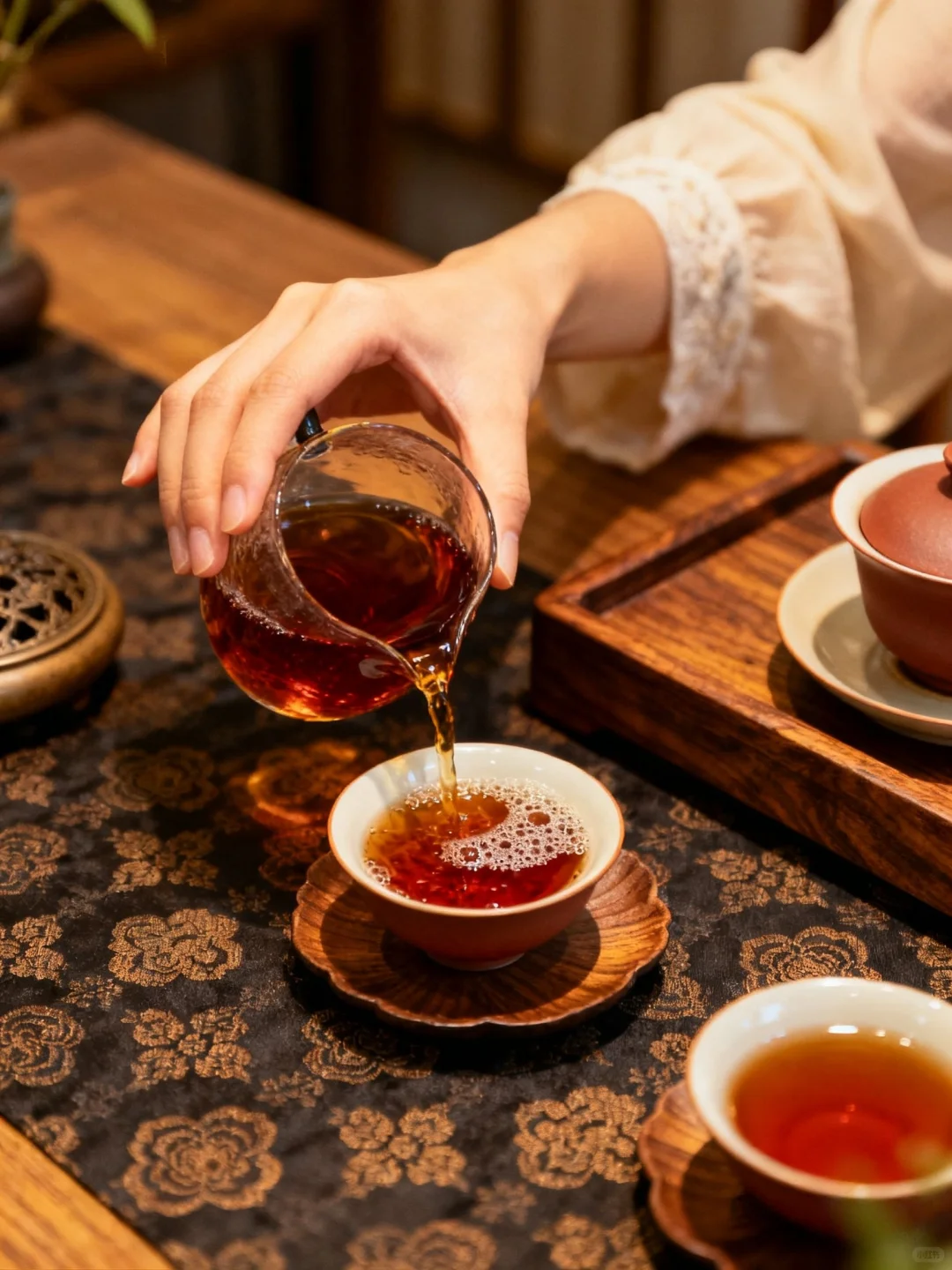
A gaiwan is a traditional Chinese lidded bowl. It lets the leaves open freely, and you can use the lid to control pouring. It is simple, beautiful, and very flexible.
Best Teaware for Beginners
| Tool | Best For |
|---|---|
| Mug with infuser | Easy daily brewing |
| Glass cup | Green tea and visual appreciation |
| Gaiwan | Gongfu brewing and tasting layers |
| Small teapot | Oolong, black tea, Pu-erh |
| Fairness pitcher | Sharing tea evenly |
The tool matters, but not as much as attention.
A simple cup can make good tea if you brew with care.
5. Water Quality: The Hidden Ingredient
Tea is mostly water.
That sounds obvious, but it is one of the most overlooked parts of brewing.
If your water tastes strongly of chlorine, minerals, or metal, your tea will also taste dull or harsh.
For Chinese tea, try to use:
- Filtered water
- Spring water
- Soft or medium-soft water
- Freshly boiled water, not repeatedly boiled water
Good water makes tea feel rounder, sweeter, and cleaner.
Bad water can make even expensive tea taste lifeless.
How to Brew Each Type of Chinese Tea
Now let’s make it practical.
How to Brew Green Tea
Green tea is fresh, delicate, and bright.
It often tastes grassy, nutty, sweet, or vegetal. Because it is not oxidized, it can become bitter if brewed too hot.
Best Method
Water temperature: 75–85°C / 167–185°F
Steeping time: 1–3 minutes
Taste Goal
You want freshness, sweetness, and clarity.
If it tastes bitter, the water is probably too hot or the steeping time is too long.
Small Story
In China, green tea is often associated with spring. Early spring teas are highly valued because the young leaves are tender and full of fresh aroma.
A good green tea should feel like walking through a mountain path after rain.
Light. Clean. Alive.
How to Brew White Tea
White tea is gentle and quiet.
It is lightly processed, often simply withered and dried. It can taste floral, honey-like, soft, and sweet.
Best Method
Water temperature: 80–90°C / 176–194°F
Steeping time: 2–5 minutes
For aged white tea, you can use hotter water.
Taste Goal
You want a soft, smooth cup with sweetness and gentle aroma.
White tea does not always impress in the first sip. It reveals itself slowly.
The second cup is often better.
The third may be even softer.
And aged white tea can feel warm, deep, and comforting.
How to Brew Oolong Tea
Oolong tea is where Chinese tea becomes especially expressive.
It can be floral, creamy, fruity, roasted, mineral, or honey-like.
Because oolong is partially oxidized, it sits between green tea and black tea. Some oolongs are light and fragrant, while others are roasted and deep.
Best Method
Water temperature: 90–100°C / 194–212°F
Western steeping time: 2–4 minutes
Gongfu steeping time: 10–30 seconds
Taste Goal
You want aroma.
Before drinking, smell the lid, cup, or wet leaves. Oolong tea often gives its best beauty through fragrance.
Some oolongs smell like orchid.
Some smell like roasted nuts.
Some smell like honey, peach, or warm stone.
A good oolong is not just tasted. It is experienced.
How to Brew Chinese Black Tea
Chinese black tea is called red tea in China because the brewed tea liquor often looks red or amber.
It is fully oxidized and usually tastes warm, malty, sweet, fruity, or honey-like.
Best Method
Water temperature: 90–95°C / 194–203°F
Steeping time: 2–4 minutes
Taste Goal
You want warmth, sweetness, and smoothness.
Unlike many strong breakfast teas, high-quality Chinese black tea is often delicious without milk or sugar.
It may taste like honey.
Or sweet potato.
Or cocoa.
Or dried fruit.
This is a very beginner-friendly tea.
How to Brew Pu-erh Tea
Pu-erh tea is one of the most fascinating Chinese teas.
It comes mainly from Yunnan and is often compressed into cakes, bricks, or tuocha. Pu-erh belongs to dark tea, a post-fermented category that can change with age.
Tea itself has a long history in China. Britannica notes that according to legend, tea has been known in China since around 2700 BCE, and by around the 3rd century CE it had become a daily drink.
Pu-erh carries that ancient feeling especially well.
Best Method
Water temperature: 95–100°C / 203–212°F
First rinse: 5–10 seconds
Steeping time: 10–30 seconds at first, then increase
Should You Rinse Pu-erh?
For compressed Pu-erh, many tea drinkers quickly rinse the leaves once.
This helps wake the tea, loosen compressed leaves, and prepare the aroma.
Raw Pu-erh vs Ripe Pu-erh
Raw Pu-erh can taste fresh, strong, floral, bitter, sweet, and energetic when young. With age, it becomes deeper and smoother.
Ripe Pu-erh is usually dark, earthy, smooth, mellow, and easy to drink.
Taste Goal
You want depth.
Pu-erh is not always charming in the first cup. Sometimes it begins quietly, then grows deeper with each infusion.
That is why many people fall in love with it.
Pu-erh feels less like a quick drink and more like a journey into a mountain forest.
Western Brewing vs Gongfu Brewing
There is no need to choose only one.
Both methods are useful.
Western-Style Brewing
Best for:
- Daily drinking
- Office tea
- Large mugs
- Simple preparation
Use fewer leaves, more water, longer steeping.
Gongfu-Style Brewing
Best for:
- Oolong
- Pu-erh
- Tasting sessions
- Exploring aroma and layers
Use more leaves, less water, shorter steeping, more infusions.
Quick Comparison
| Method | Tea Leaves | Water | Time | Result |
|---|---|---|---|---|
| Western Style | Less | More | Longer | Easy, simple, one large cup |
| Gongfu Style | More | Less | Shorter | Layered, aromatic, many cups |
If Western brewing is like reading a summary, Gongfu brewing is like reading the full story.
Common Tea Brewing Mistakes
Mistake 1: Using Boiling Water for Every Tea
Green tea and some white teas need cooler water. Boiling water can make them bitter.
Mistake 2: Steeping Too Long
Longer is not always better. Shorter steeping can create a cleaner, sweeter cup.
Mistake 3: Using Too Little Tea in Gongfu Brewing
Gongfu brewing needs more tea leaves. If you use too little, the tea may taste thin.
Mistake 4: Ignoring the Second Infusion
Many Chinese teas are made for multiple infusions. Do not throw the leaves away after one brew.
Sometimes the best cup is not the first one.
Mistake 5: Drinking Too Fast
Chinese tea rewards attention.
Pause for aroma.
Notice the texture.
Feel the aftertaste.
Let the tea cool slightly before drinking.
A very hot tea may burn your tongue before you can taste its beauty.
A Simple Beginner Brewing Formula
Here is the easiest way to start.
For Daily Brewing
Add 250ml water
Adjust water temperature by tea type
Steep 2–4 minutes
Taste and adjust next time
For Gongfu Brewing
Add 100–120ml water
Rinse briefly if needed
Steep 10–20 seconds
Repeat many times
Increase time gradually
This simple method works for most Chinese teas.
But remember: tea is alive.
The best formula is not fixed. It changes with the leaf in front of you.
How to Make Chinese Tea Feel More Beautiful
You can brew tea quickly.
But you can also turn it into a small ritual.
Try this:
- Warm the cup or teapot with hot water.
- Add dry leaves.
- Smell the warm leaves before brewing.
- Pour water gently.
- Watch the leaves open.
- Smell the tea before drinking.
- Take one small sip first.
- Notice what changes after the second cup.
This is not complicated. It is simply slowing down.
And that may be the real reason Chinese tea has lasted for thousands of years.
Tea gives people a reason to stop for a moment.
Final Thoughts: The Best Tea Is the One You Learn to Listen To
Brewing Chinese tea is not about perfection.
It is about relationship.
The same tea can taste different on a rainy morning, after dinner, during a quiet afternoon, or when shared with a friend.
At first, you may only notice whether the tea is strong or weak.
Then you begin to notice aroma.
Then sweetness.
Then texture.
Then aftertaste.
Then the feeling that stays after the cup is empty.
That is when tea becomes more than a drink.
It becomes a small doorway into Chinese culture, mountain landscapes, patient craftsmanship, and the simple pleasure of hot water meeting leaves.
So the next time you brew Chinese tea, do not ask only:
“Did I do it correctly?”
Ask:
“What is this tea trying to show me?”
The answer may begin with the first cup.
But it rarely ends there.
Recommended Reading
Learn More Before Your Next Cup
Brewing is easier when you understand the tea itself. Explore tea types, Pu-erh traditions, and the origins behind good Chinese tea.
The Six Types of Chinese Tea
Understand the differences between green, black, white, oolong, yellow, and dark tea before choosing your next cup.
Explore Tea Types →What Is Pu-erh Tea?
Discover one of China’s most distinctive teas, from raw Pu-erh to aged tea and Yunnan tea-making craft.
Learn About Pu-erh →Where Good Chinese Tea Comes From
Explore how mountains, regions, and terroir influence the flavor and quality of Chinese tea.
Discover Tea Origins →